
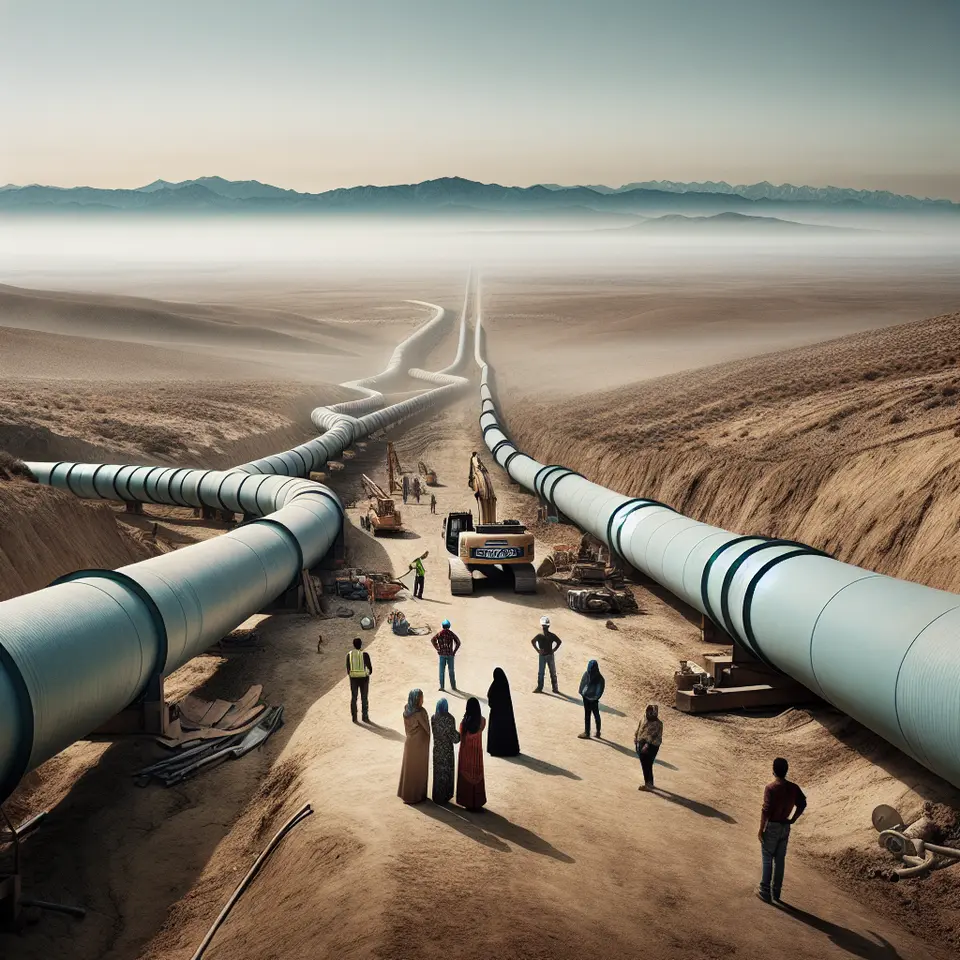
Trump’s Colorado Water Pipeline Veto: Cost-Cutting, Retribution, Or Both?
Estimated reading time: 4 minutes
- President Trump vetoed a bill to help complete a major Colorado water pipeline, citing concerns over federal spending and “fiscal sanity.”
- Critics argue the veto is political retribution, suggesting communities and lawmakers opposing the president are being punished through withheld infrastructure funding.
- The veto affects a long-planned regional water project designed to secure supply for growing Western communities facing climate stress and drought.
- The clash highlights a broader tension between infrastructure needs and deficit concerns, especially in Western states reliant on complex water systems.
- Local leaders now face higher financing costs, project delays, and legal uncertainty as they scramble to replace anticipated federal support.
Table of Contents
Background: What Is This Colorado Water Pipeline?
The vetoed bill focused on helping complete a Colorado water pipeline project designed to move water from one part of the state to fast-growing communities in another. Like many major Western water projects, it sits at the intersection of rapid population growth, long-term drought trends, and aging infrastructure.
While the article does not name every technical detail, it makes clear that this is not a brand-new effort. It is a long-running regional project that already had planning, local investment, and prior federal engagement behind it. The bill Trump rejected would have authorized additional federal support to push the pipeline closer to completion.
For local city and county leaders, this pipeline is seen as a strategic lifeline—not just a construction job. It is tied to future housing capacity, business expansion, and resilience against hotter, drier years the West has increasingly faced.
Why President Trump Vetoed the Bill
The White House framed the veto as a matter of cost control and fiscal discipline. President Trump cast the decision as a stand for “fiscal sanity,” arguing that the federal government should not keep layering new, expensive commitments on top of an already large national debt.
From that perspective, the veto sends a message: even popular, locally backed infrastructure projects are not guaranteed federal dollars. Instead, the administration suggests that states, local utilities, and private partners should assume more of the financial burden, especially when projects primarily benefit specific regions rather than the nation as a whole.
For readers watching federal spending debates, this case fits into a broader pattern where infrastructure, climate resilience, and regional water security are weighed against short-term budget optics.
Why Critics Call the Veto Political Retribution
Opponents of the decision see the story differently. According to critics quoted in the coverage, the veto looks less like neutral cost-cutting and more like targeted political payback. They argue:
- Communities and lawmakers associated with the project have not been strong political allies of the president.
- The cost rationale, they say, is selectively applied—other favored projects have moved ahead despite large price tags.
- The timing, amid ongoing political clashes, raises suspicion that infrastructure is being used as leverage in partisan battles.
In this view, the pipeline veto becomes part of a pattern where federal support is more readily available in regions that align with the administration and more vulnerable in areas that do not. That fuels local anxiety over whether critical water and infrastructure needs are becoming politicized.
What the Veto Means for Western Water Users
For farmers, homeowners, and business owners across the West, the immediate question is practical: What now? The veto does not erase the underlying water challenges the Colorado project was designed to address. Instead, it forces local leaders to seek alternative solutions:
- Financing gaps: Cities and utilities may need to issue more local bonds, raise rates, or seek state-level support to replace the blocked federal funding.
- Project delays: Construction timelines could stretch out, increasing total costs and slowing delivery of much-needed water capacity.
- Planning uncertainty: Developers and employers making long-term decisions about where to invest may rethink projects if water reliability looks shaky.
For readers in other Western states—whether in Colorado, Arizona, Nevada, or California—the case is a reminder that large water systems are politically fragile. Even technically sound projects with broad local support can be derailed at the federal level.
If you rely on Colorado River–related supplies or multi-jurisdiction pipelines, consider exploring your local utility’s long-term water plan and drought contingency strategies. Many utilities publish detailed plans and updates you can review online or discuss at public meetings.
How Residents, Businesses, And Voters Can Respond
Whether you see the veto primarily as cost-cutting or retribution, it carries useful lessons for residents and decision-makers across the region:
- Stay informed on local water projects. Ask your city or utility which projects depend on federal support and how they would pivot if that support disappears.
- Engage in public hearings. Local boards that govern water rates, bonds, and infrastructure plans often welcome public comment—but turnout is usually low. Your input can shape priorities.
- Diversify support where possible. For business owners and developers, work with local chambers and planners to advocate for diversified funding—state grants, regional partnerships, or public–private financing.
- Evaluate candidates on infrastructure policy. When election seasons approach, look beyond slogans and examine how candidates propose to handle long-term water and infrastructure needs.
If you want to explore related topics, consider looking up:
- Recent reporting on Western water shortages and climate trends
- Case studies of successful regional water-sharing agreements
- Analyses comparing federal vs. local funding models for major infrastructure
This Colorado pipeline veto is not just a local budget scuffle; it is a revealing snapshot of how the United States is struggling to balance fiscal restraint, political conflict, and the physical realities of water in the West.
Source: https://www.npr.org/2026/01/02/nx-s1-5664114/trump-says-water-pipeline-veto-was-because-of-cost-but-critics-say-its-retribution
Leave a Reply