
How the Toyota Prius Quietly Sparked Today’s Electric Vehicle Culture War
Estimated reading time: 5 minutes
- Electric vehicles are no longer just cars – they now symbolize competing political and cultural identities in the United States.
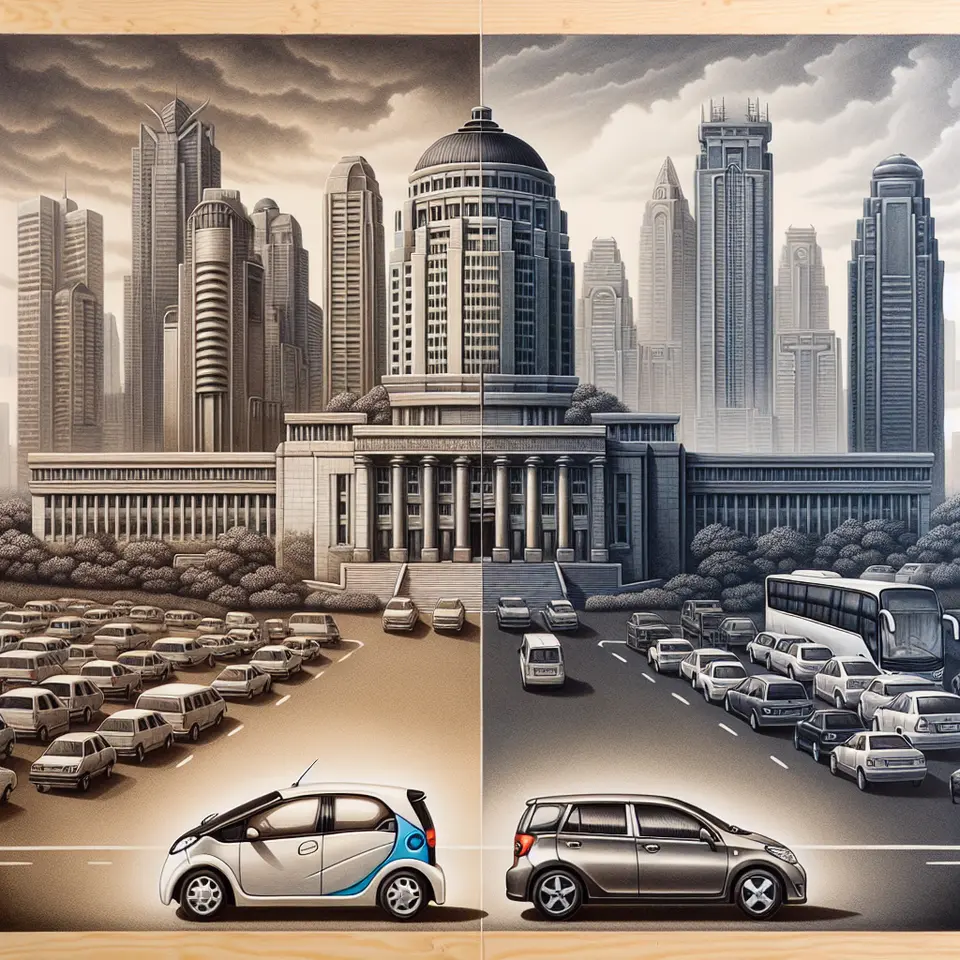
- The Toyota Prius helped trigger this divide by being marketed as a planet-saving choice, which energized environmentalists but alienated skeptics.
- Polarized climate politics turned green car marketing into a cultural signal rather than a simple consumer decision.
- Brands like Toyota and Nissan leaned into eco-virtue messaging, which some voters perceived as moral pressure or government-driven change.
- New projects like the EV Politics Project aim to make E.V.s feel like normal products again, not partisan symbols.
Table of Contents
- Electric Vehicles: From Technology to Political Symbol
- How the Toyota Prius Planted the Seeds of Polarization
- When Green Marketing Became Culture-War Fuel
- Data-Driven Insights: What Drivers Actually Care About
- Personalized Advice: How to Think About E.V.s Today
- Explore More: What to Read Next
Electric Vehicles: From Technology to Political Symbol
In an ideal world, an electric vehicle would be viewed as just another way to get from A to B. Instead, in today’s hyperpartisan climate, battery-powered cars often carry ideological baggage alongside their passengers.
Supporters see E.V.s as tools to slow climate change and help American automakers compete globally. Critics often view them as proof of the “heavy hand of government”, nudging or pressuring consumers away from gasoline before they feel ready.
Layer on the high-visibility presence of figures like Elon Musk, whose social media commentary frequently dominates headlines, and even loyal E.V. owners can feel unsure what – or whom – to trust.
As Republican strategist Mike Murphy puts it, E.V.s have stopped being defined as cars:
“It’s like we’re having political fights over toasters.”
How the Toyota Prius Planted the Seeds of Polarization
The story of today’s E.V. culture war traces back about 25 years to an unassuming vehicle: the first-generation Toyota Prius, a modest, shoebox-shaped gas-electric hybrid that arrived in the United States for the 2001 model year.
The Prius marked a major breakthrough, kicking off the modern hybrid era and building Toyota’s reputation as a global “green car” leader. But its cultural impact went far beyond fuel economy ratings.
According to Murphy, the way Toyota marketed the Prius helped transform it into a political signal. Messaging that implied buying a Prius was a way to “save the planet” energized environmentally minded, often liberal, consumers. Yet it also triggered a backlash among drivers who were:
- Less focused on climate change
- Suspicious of environmental messaging
- Allergic to anything that felt like moral judgment about their lifestyle
When Green Marketing Became Culture-War Fuel
The Prius wasn’t alone. Nissan took a similar approach with its all-electric Leaf, launched in 2010. One memorable TV commercial featured a polar bear trekking across landscapes to hug a Leaf owner – a powerful visual metaphor for climate salvation through consumer choice.
Murphy’s diagnosis is blunt: in a country where climate itself is polarized, selling cars primarily on their moral or environmental virtues “locks them into politics.” For many Americans, this type of marketing can come across as:
- Pushy dogma rather than practical information
- A cultural signal about values and identity
- An implied criticism of drivers who stick with gasoline
This is how a purchasing decision that could have been framed around cost, reliability, and performance instead became a proxy battle over values, identity, and regulation.
Data-Driven Insights: What Drivers Actually Care About
While the article focuses on culture and politics, it indirectly points to a crucial marketing and policy lesson: most drivers make decisions based on practical factors first, values second. For many segments, the winning messages are:
- Total cost of ownership: fuel savings, maintenance costs, and resale value
- Convenience: charging access, range, and reliability
- Performance: acceleration, quiet operation, and technology features
Murphy’s work with the EV Politics Project and EVs for All America is built around this insight: to grow adoption, E.V.s must be reframed as normal, useful products that fit into a wide range of lifestyles and political beliefs.
Personalized Advice: How to Think About E.V.s Today
If you’re trying to decide whether an E.V. or hybrid makes sense for you, it can help to tune out the culture war and focus on a few personalized questions:
- Daily driving pattern: Do you mainly drive short, predictable distances where charging is easy?
- Energy and fuel prices in your area: Are electricity rates low compared with gasoline?
- Home situation: Can you install a Level 2 charger, or will you rely on public charging?
- Budget and incentives: Are there federal, state, or local tax credits or rebates you qualify for?
By centering your decision on cost, convenience, and comfort, you effectively strip away much of the partisan noise that has built up since the Prius first rolled onto American roads.
Explore More: What to Read Next
To deepen your understanding of this topic, consider exploring:
- Breakdowns of total cost of ownership for hybrids vs. gasoline vehicles.
- Guides to charging infrastructure in your region and how it is expanding.
- Nonpartisan explainers on climate policy and how transportation fits into overall emissions.
As the article highlights, the long-term success of E.V.s may depend less on who “wins” the argument and more on whether automakers, policymakers, and advocates can present them as what they were meant to be: better tools for everyday life, not political litmus tests.
Source: https://www.nytimes.com/2025/12/27/business/electric-vehicles-poilitics-republicans-conservatives.html
Leave a Reply