
Senate Venezuela Vote: Implications for Trump and War Powers
Estimated reading time: 4 minutes
Key takeaways
- Symbolic rebuke, limited bite: The Senate advanced a resolution to curb presidential war powers in Venezuela, but it is unlikely to alter policy absent House action or a veto override.
- Party dynamics: Five Republicans joined Democrats in the procedural move, signaling bipartisan concern but not a pathway to decisive action.
- War Powers Act context: The act creates reporting requirements and a 60-day window, yet has not decisively restrained presidential action in practice.
- Vance and Minnesota: Vice President JD Vance defended the ICE officer involved in the Minneapolis shooting, framing the incident within broader political debates on immigration and law enforcement.
Table of contents
The Senate vote and its immediate effect
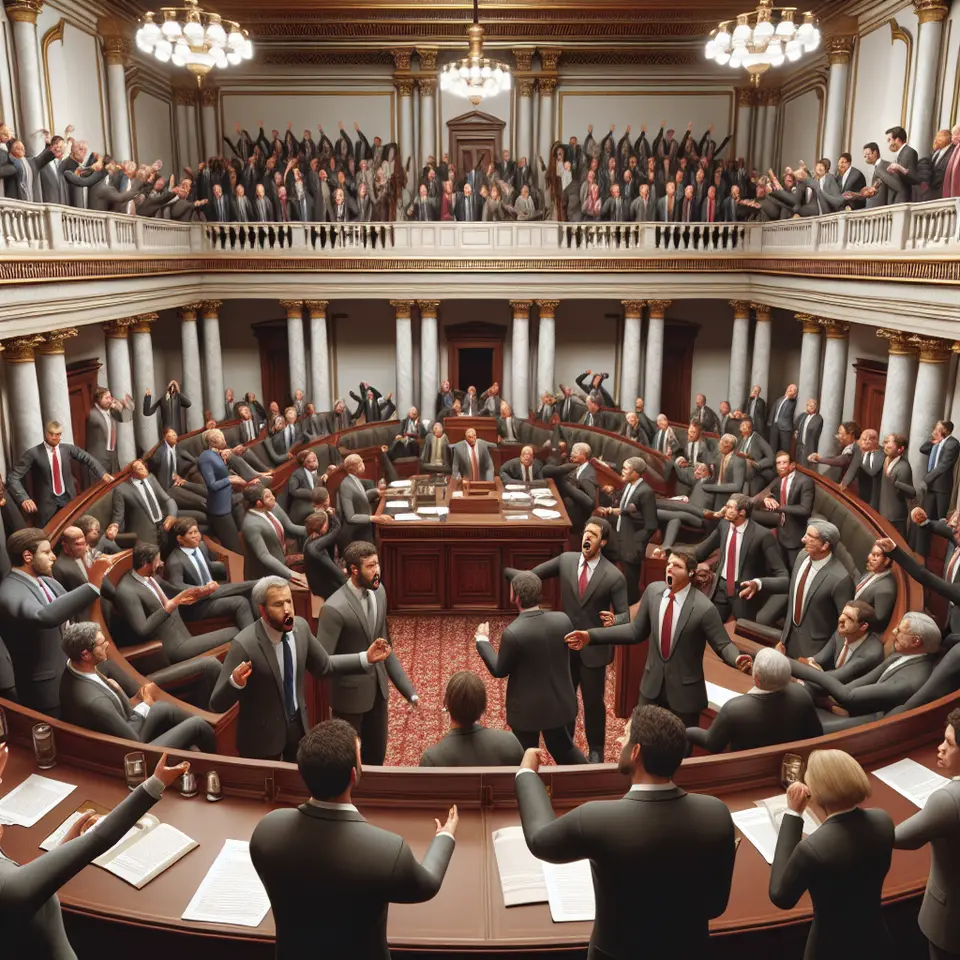
The Senate voted to direct Trump to terminate the use of United States Armed Forces for hostilities in Venezuela unless explicitly authorized by a declaration of war or specific authorization for use of military force. Five Republicans joined Democrats in this procedural move, signaling a rebuke while leaving the political calculus largely in the executive branch’s hands. If the Senate passes the resolution, House Speaker Mike Johnson is unlikely to take it up, and Trump would likely veto it if it reached his desk.
War Powers Act context and implications
Under the War Powers Act, the president must inform Congress within 48 hours and can conduct hostilities for up to 60 days without new authorization. The act also provides a congressional pathway to authorize action. In practice, lawmakers have used broader funding and oversight strategies rather than a formal war declaration—an approach the article notes may persist regardless of this vote.
Political dynamics and the likelihood of action
Beyond the Venezuela question, Congress appears reluctant to reclaim the power to declare war. The piece notes that even bold moves risk being symbolic without a funding bill or a veto override. It quotes long-standing debates about presidential war powers, including a skeptical view from the executive side that the War Powers Act is “fundamentally a fake and unconstitutional law.”
Vance’s remarks and the Minneapolis incident
Vice President JD Vance defended the ICE officer involved in the Minneapolis shooting, describing the deceased as involved in a protest and criticizing media coverage. He stated, “I’m not happy that this woman lost her life,” and that the best path forward is to direct immigration concerns to the ballot box rather than confrontation. He linked public sentiment to the officer’s prior injury and highlighted the political stakes of immigration policy.
Minnesota investigation update
The Minnesota Bureau of Criminal Apprehension will not participate in the federal probe; the FBI leads the investigation. Governor Walz expressed pessimism about a fair outcome and authorized National Guard readiness as protests continued.
Related developments
Related: New DOJ opinion offers legal justification for Maduro seizure, Trump officials tell Congress, by Ryan J. Reilly and Julie Tsirkin
Source: https://www.nbcnews.com/politics/politics-news/senates-venezuela-vote-doesnt-mean-politics-desk-rcna253124
Leave a Reply