
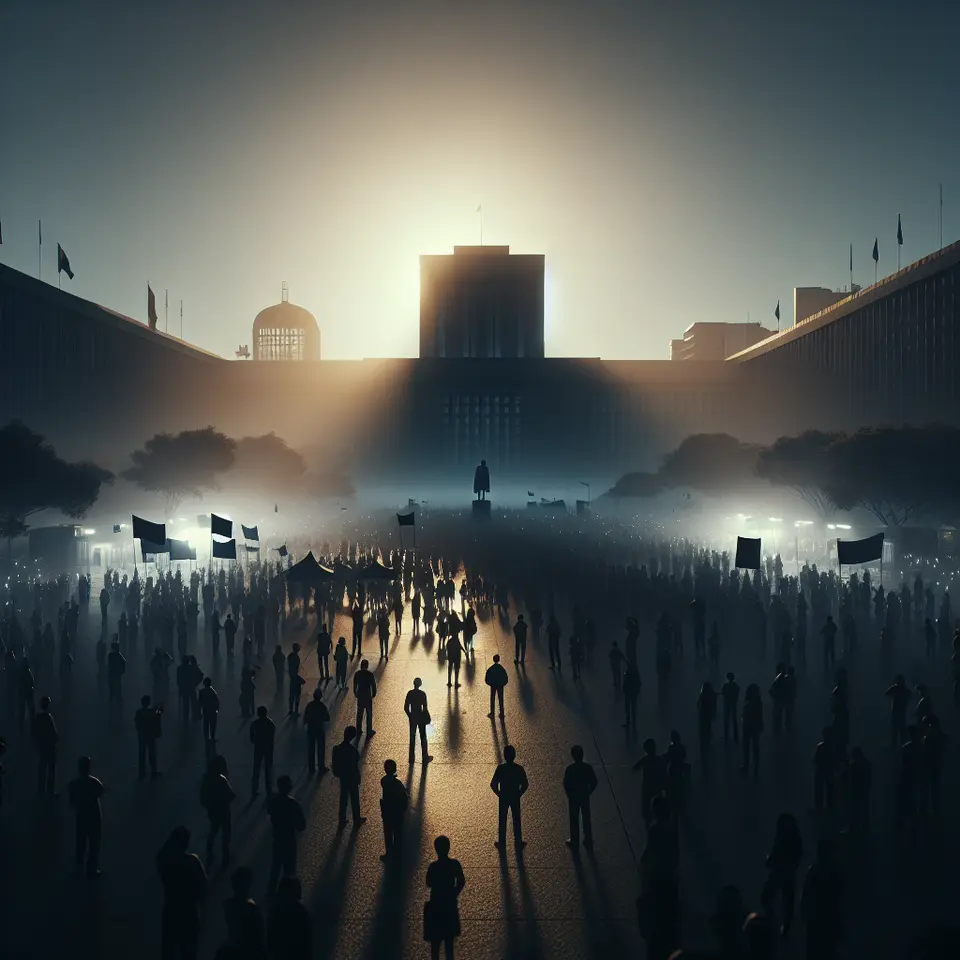
The Politics of Raw Power: A Conversation on Democratic Resilience
Estimated reading time: 5 minutes
Key takeaways
- Two kinds of politics: technical electoral battles versus the politics of raw power shaping governance.
- ICE as instrument: border enforcement and political security forces function as a focal point for democratic contestation.
- Grassroots energy matters: street mobilizations can drive policy even when national leadership is hesitant.
- Path forward: sustaining democracy requires both institutional courage and broad civic engagement.
- Policy slogans: bold phrases like “Abolish ICE” energize base, but must align with credible messengers and long-term strategy.
Table of Contents
Two Kinds of Politics
In the interview, Joseph O’Neill distinguishes two intertwined but distinct arenas. The technical politics cover economy, jobs, health care, immigration, and crime—areas where Democrats can mobilize voters. The politics of raw power describes a GOP pursuit of one‑party rule, spanning lawmakers, the judiciary, and ideological media. The conversation emphasizes that while the rule of law remains intact for now, the trajectory toward autocracy depends on whether citizens, judges, and journalists sustain scrutiny and mobilization.
O’Neill notes that the end of the rule of law does not automatically yield authoritarianism, but the danger is real when institutions erode. He highlights a world where the executive branch expands coercive tools like ICE, and where grassroots pressure becomes essential to forcing accountability. A striking line from the interview captures the tension: The second kind of politics is the politics of raw power.
Grassroots Power vs. Party Leadership
The dialogue argues that grassroots energy—from Minneapolis to Chicago and beyond—drives policy even when national leadership hesitates. With statements about funding ICE and the mobilization of tens of millions in cities, the piece underscores a dynamic where local and state politics push back against federal overreach. O’Neill asserts that there are only 22,000 ICE agents against a massive wave of citizen activism, suggesting that organized protest translates into tangible political leverage.
Regarding messaging, he asserts that bold slogans like “Abolish ICE” can catalyze turnout but must be paired with credible, authentic leadership. The interview stresses that slogans are most effective when tied to a credible narrative and real political power—something that becomes possible as the electorate coalesces around core democratic values.
What Happens Next
Forecasts in the interview anticipate a dangerous period ahead: contested elections, prosecutions of political opponents, and the potential for extraordinary measures. The central message is vigilance and readiness for a drawn‑out power struggle that requires coordination among politicians, jurists, media, and citizens. The call is for ongoing protest to feed into the ballot box and institutional resilience.
Synthesis and Takeaways
In sum, the interview argues for a dual strategy: technical political work combined with mass mobilization. It calls readers to protect democratic norms while engaging actively in elections, protests, and public discourse. Readers are invited to reflect on their role in safeguarding institutions and to participate in both the street and the ballot box to sustain a healthy republic.
Source: https://www.nybooks.com/online/2026/01/24/politics-of-raw-power-joseph-oneill/
Source: https://www.nybooks.com/online/2026/01/24/politics-of-raw-power-joseph-oneill/
Leave a Reply