
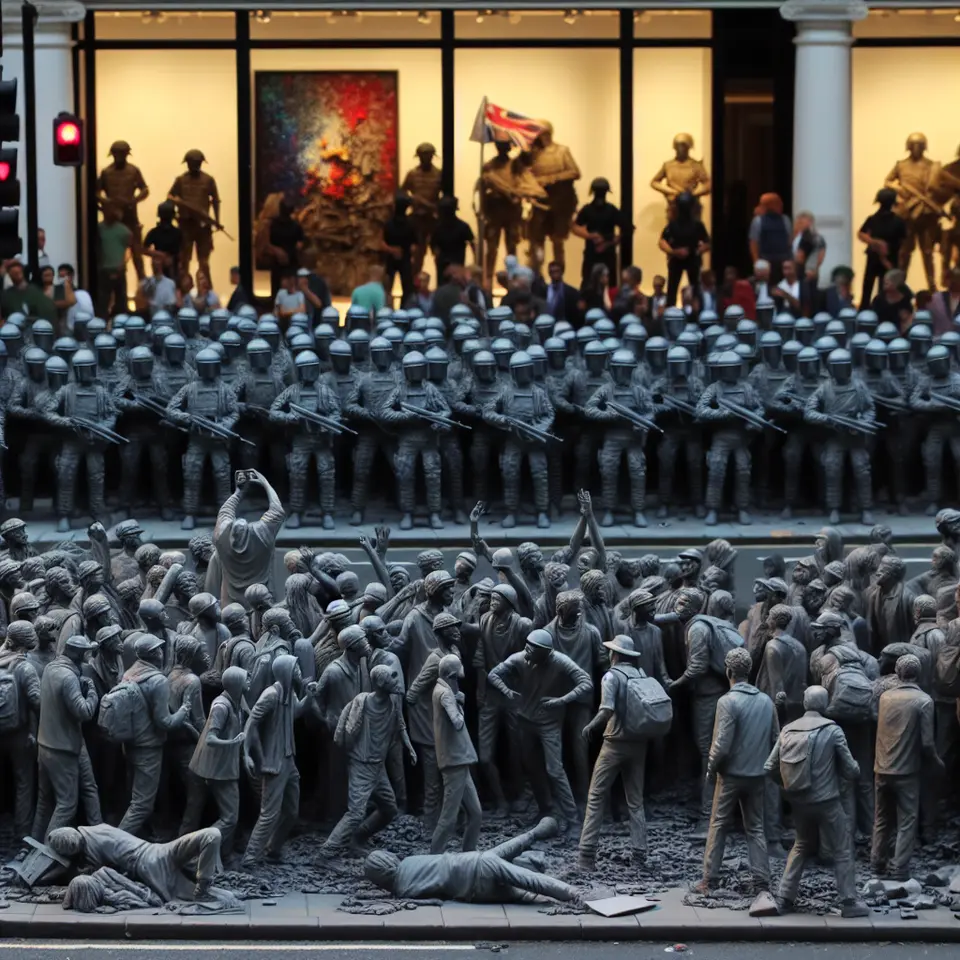
Politics of Counting the Dead
Estimated reading time: 6 minutes
Key takeaways
- Media credibility is shaped by power: coverage often follows political utility, not verification.
- Gaza tolls are undercounted: the Gaza Health Ministry cites 70,117 dead as of late 2025; independent models suggest far higher totals, with the Lancet estimating >186,000 deaths when indirect effects are included.
- Iranian tolls attract quick credibility: diaspora estimates and anonymous sources have been treated as fact, revealing selective reporting norms.
- Be mindful of methodological caveats: morgue capacity, war disruption, and data classifications shape totals.
Table of contents
- Introduction
- Gaza death toll and evidence
- Iran protests and reporting
- Why credibility differs
- Implications for readers
- How to read casualty figures responsibly
Introduction
The piece argues Western media exhibits a crisis of belief around casualty reporting that is driven by power, not pure evidence. It cautions readers to examine who benefits from presenting certain numbers as credible and to recognize that truth-telling in conflict is often entangled with political utility.
Gaza death toll and evidence
Gaza Health Ministry data indicate at least 70,117 Palestinians killed in Gaza since the conflict began, with a majority of victims civilians. Yet independent researchers describe this as a massive undercount. When indirect deaths from healthcare collapse, hunger, water shortages, and sanitation failures are included, mortality figures rise dramatically. A July 2024 study in The Lancet estimated the toll at more than 186,000. The article notes that morgues were overwhelmed or disrupted by bombings and hospital shutdowns, so many identifiable bodies could not be counted, underscoring the challenge of precise tallies in such conditions.
Iran protests and reporting
In Iran, death tolls reported during protests have often come from diaspora groups and outlets like HRANA, with outlets such as CBS citing anonymous sources that claimed 12,000 to 20,000 killed. The piece highlights the difficulty of ground verification inside Iran and how reporting from afar can be treated as credible, even when access is restricted.
Why credibility differs
The author argues for a double standard: Palestinian deaths are repeatedly questioned despite evidence, while Iranian deaths reported from a distance are quickly accepted to support intervention narratives. This discrepancy is framed as a reflection of empire and political utility, not a neutral standard of journalism.
Implications for readers
Readers should demand robust verification, cross-check numbers with credible sources, and understand that tallies reflect the data collection context—morgue capacity, access restrictions, and data classifications. The piece urges a nuanced approach to casualty figures rather than accepting headlines at face value.
How to read casualty figures responsibly
Seek official sources and independent researchers, examine methodologies, distinguish direct from indirect deaths, and triangulate data across multiple outlets. Be alert to caveats and the political framing surrounding numbers to form a balanced, informed view.
Source: https://www.aljazeera.com/opinions/2026/1/14/iran-gaza-and-the-politics-of-counting-the-dead
Leave a Reply