
Pappy O’Daniel, Radio, And The Rise Of Texas Populist Politics
Estimated reading time: 5 minutes
- Radio turned a flour salesman into one of Texas’ most powerful politicians, proving early on how mass media can drive political movements.
- Pappy O’Daniel’s noon broadcasts with the Light Crust Doughboys became a cultural ritual in Depression-era Texas, blending hillbilly music, faith, and salesmanship.
- The show helped launch Western Swing, featuring musicians like Bob Wills and Milton Brown before they became legends.
- O’Daniel’s outsider image as a businessman “fed up with politicians and corporate media” reshaped expectations for who could win high office in Texas.
- His story connects entertainment, marketing, and politics in ways that still echo in today’s media-driven campaigns.
Table of Contents
- Depression-Era Texas: When Radio Ruled Everyday Life
- From Flour Salesman To Radio Star
- The Birth Of Western Swing And The Light Crust Doughboys
- How A Noon Radio Show Led To The Governor’s Mansion
- Why Pappy O’Daniel Matters In Today’s Media Politics
- Explore More Texas History & Culture
Depression-Era Texas: When Radio Ruled Everyday Life
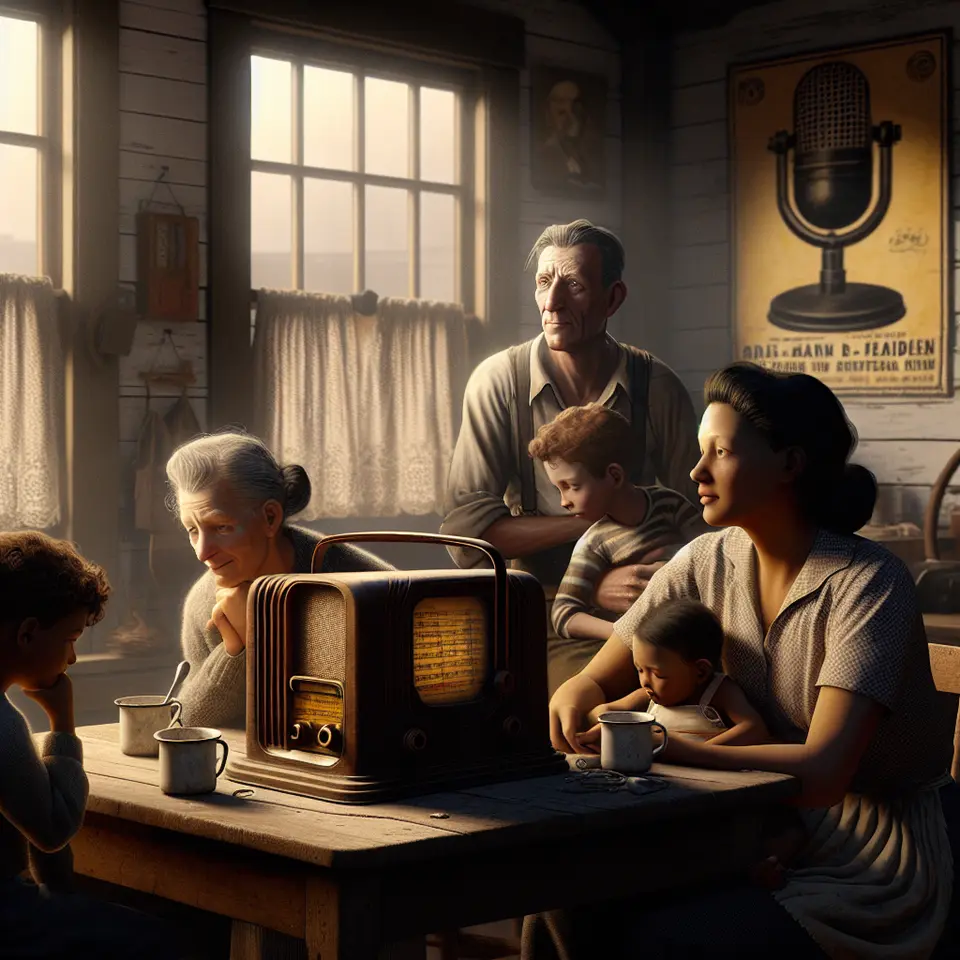
In the 1930s, much of Texas was rural, poor, and still without electricity well into the decade. Movie houses were distant and tickets cost money that many families did not have. In that world, radio wasn’t just entertainment; it was a lifeline.
The most popular program in Texas aired weekdays at 12:30 p.m. It was Pappy O’Daniel and his Hillbilly Boys. At lunchtime, you could walk down the main street of almost any town and hear O’Daniel’s voice floating from open windows. For many listeners, this was the brightest moment of their day.
Ann Richards remembered huddling by the radio as a child, singing along to the theme song: “We’re the Light Crust Doughboys from the Burris Mill…”
That daily ritual built a deep, emotional connection between O’Daniel and his audience—long before he ever asked them for a vote.
From Flour Salesman To Radio Star
Before he was governor or U.S. senator, Wilbert Lee O’Daniel was an advertising man. Born in 1890 in Malta, Ohio, he grew up in hardship. After his father died in a work accident, his family farmed near Arlington, Kansas, facing constant uncertainty.
By 1925, O’Daniel had made his way to Texas and joined Burris Mill in Fort Worth. Tasked with promoting flour in a state where most women still baked their own bread, he turned to a new medium: radio.
He was pitched a simple idea: a radio show with hillbilly music to sell flour. What he created went far beyond a sales campaign. As author Bill Crawford notes, flour was a “huge staple commodity” in a poor, rural Texas, and O’Daniel became one of the great radio personalities of that era.
According to musician Ray Benson, O’Daniel quickly saw the formula:
“This guy figured out, if I play this hokey music that I really don’t like, they’ll come and buy my flour.”
That combination of salesmanship, folksy charm, and faith-filled commentary laid the groundwork for his political brand.
The Birth Of Western Swing And The Light Crust Doughboys
For music lovers, O’Daniel’s most lasting impact may be his role in launching Western Swing. To front his flour-show band, he hired a group of musicians who would become legends:
- Bob Wills – the fiddle-playing part-time barber
- Milton Brown – vocalist and bandleader
- Herman Arnspiger – early Western Swing guitarist
Together, they became the Light Crust Doughboys, playing on air and loading flour trucks during the day. Their blend of fiddle tunes, jazz influences, and country roots helped define Western Swing—a genre that would shape Texas music for decades.
If you enjoy exploring music history, use this story as a starting point to:
- Compare early Western Swing recordings with modern Texas country.
- Create a playlist that pairs historic Western Swing tracks with contemporary roots artists.
- Explore how commercial radio spots evolved from live bands to today’s digital ads.
How A Noon Radio Show Led To The Governor’s Mansion
By the late 1930s, O’Daniel understood something powerful: popular entertainment could win elections.
In 1938, Texas governor James Allred, a New Deal supporter and opponent of the Ku Klux Klan, was finishing his second term. The political class expected another conventional successor—until O’Daniel stepped in.
On his radio show in late April, he announced that he had received a letter from a blind man asking him to run for governor. It was the perfect story for Depression-era Texas: humble, emotional, and broadcast directly into kitchens and farmhouses.
Running as a successful businessman sick of professional politicians and “corporate media”, O’Daniel seemed like a novelty to the establishment. They soon learned otherwise. Powered by radio fame and hillbilly music, he won the governor’s mansion twice and later a seat in the U.S. Senate.
Many people today recognize a fictionalized version of him: the character inspired by “Pappy O’Daniel” in the Coen Brothers’ film “O Brother, Where Art Thou?” But the real story is even more revealing about how media can reshape politics.
Why Pappy O’Daniel Matters In Today’s Media Politics
Pappy O’Daniel’s rise hints at patterns that still shape public life today:
- Media as a shortcut to trust: Daily radio shows built a sense of familiarity long before modern influencers and livestreams.
- Entertainment as persuasion: Listeners came for the music and stayed for the message—an early version of content marketing.
- Outsider branding: His “anti-politician” stance resonates with many contemporary campaigns that frame themselves against elites and traditional media.
For readers interested in media literacy or political communication, O’Daniel’s career is a powerful case study in how storytelling, repetition, and emotional connection can move voters as effectively as policy details.
Explore More Texas History & Culture
If this story intrigues you, here are ways to continue exploring:
- Listen to Texas history podcasts: Seek out series that focus on political shifts, music roots, and the evolution of radio.
- Deep-dive Western Swing: Build a listening journey from early Light Crust Doughboys recordings to modern Western Swing bands.
- Compare media eras: Map how O’Daniel’s radio dominance parallels today’s social media-driven political campaigns.
Whether you come to this story as a music fan, a political observer, or a student of media, Pappy O’Daniel’s path—from tenement farm to radio mic to the governor’s office—offers a vivid, real-world example of how culture, commerce, and politics intertwine.
Source: https://www.tpr.org/podcast/texas-matters/2025-12-26/texas-matters-pass-the-politics-pappy
Leave a Reply