
NYPD Tasers, Disclosure Delays, and the Cevallos Case: A Look at Change in NYC
Estimated reading time: 5 minutes
Key takeaways
- Transparency gap: The NYPD did not publicly disclose the 2024 Taser-related death of Adrian Cevallos until months later, fueling questions about oversight and accountability.
- Clinical context: Medical examiners attributed death to cardiac dysrhythmia with the Taser as a contributing factor, amid a reported undiagnosed heart condition.
- Policy evolution: The department has a long history with Tasers, shifting from limited use to broad deployment, prompting renewed scrutiny of training and governance.
- Financial dynamics: Axon’s contracts with NYC grew from hundreds of thousands to tens of millions as Tasers and body cameras spread through the NYPD, raising concerns about incentives and cost vs. safety.
- Legal and public interest: The Cevallos family is pursuing a lawsuit, arguing for stronger safeguards to prevent avoidable harm during mental-health crises.
What happened
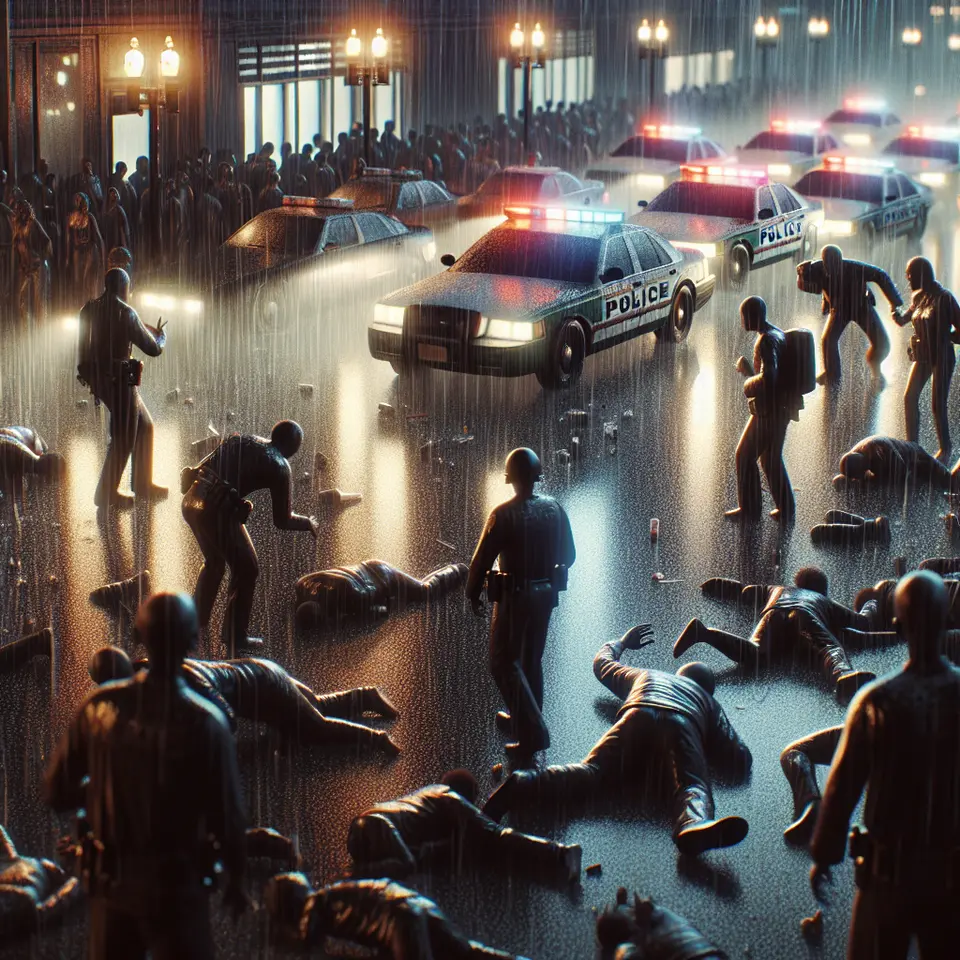
On August 3, 2024, a Queens mother called 911 to seek psychiatric help for her son, who was having a schizophrenic episode. Police responded, and the situation escalated to a Taser deployment. Family footage shows the man running, then collapsing in a rainy street, with a subsequent delay before emergency medical services arrived. The medical examiner found death caused by cardiac dysrhythmia, with the Taser listed as a contributing factor. Cevallos died hours after being transported to the hospital; the ambulance arrived 45 minutes after the incident and, according to family members, he was conscious and then deteriorated.
The NYPD had not publicly disclosed the incident at the time, and as of the reporting, had not released body-camera footage. The family filed a lawsuit against the city, seeking accountability and reforms to prevent future harm in similar crises.
NYPD disclosure and response
The NYPD disputed the family account, stating that Cevallos attempted to strike an officer and resisted restraint, which led to two prongs hitting his torso. The department asserted that Cevallos removed one prong and that a second attempt to complete an electrical circuit was ineffective. The NYPD argued the patient was transferred to the hospital conscious and alert, later suffering a medical episode and dying; officials did not classify the incident as a death in custody initially, hence the delayed disclosure.
Historical context of Tasers in NYC
New York City’s relationship with Tasers has evolved from skepticism to broad adoption. After prior controversies and tragedies, leadership shifted toward wide-ranging training and use across patrol units. A RAND Corporation study, prompted by the Sean Bell case in 2006, recommended expanded Taser training and usage. However, as incidents multiplied, debates about safety, efficacy, and accountability intensified, highlighting that Tasers are not infallible and can contribute to harm in certain circumstances.
Financial and procurement details
Docs reviewed by Spectrum News NY1 show Axon’s lobbying expenditures connected to NYC purchases, with contracts growing from roughly $250,000 in 2013 to $4.5 million in 2016, and a $55 million contract in 2023. By 2024, the NYPD reported Tasers were about 61% effective in field use. Critics argue that the economic ties may influence procurement and deployment decisions, underscoring the need for independent safety reviews.
What readers should consider
As this case unfolds, readers can take away the importance of transparent disclosure, rigorous training, and independent oversight for non-lethal weapons. The goal is to balance public safety with the rights and health needs of people in crisis, ensuring that each deployment is justified, precisely executed, and well-documented for accountability.
Source: https://ny1.com/nyc/all-boroughs/politics/2026/01/08/cevallos-died-tasing-nypd-taser
Leave a Reply