
More Politics, More Participation: Mamdani’s New York Vision
Estimated reading time: 5 minutes
Key takeaways:
- Mass participation matters — a shift from passive governance to active, inclusive politics.
- Universalist welfare reforms normalize support and remove stigma.
- The block party model shows politics can be loud, joyful, and collective, not remote or exclusive.
- Voters across the Western world crave alternatives to disillusionment, demanding tangible change.
Block party as political strategy
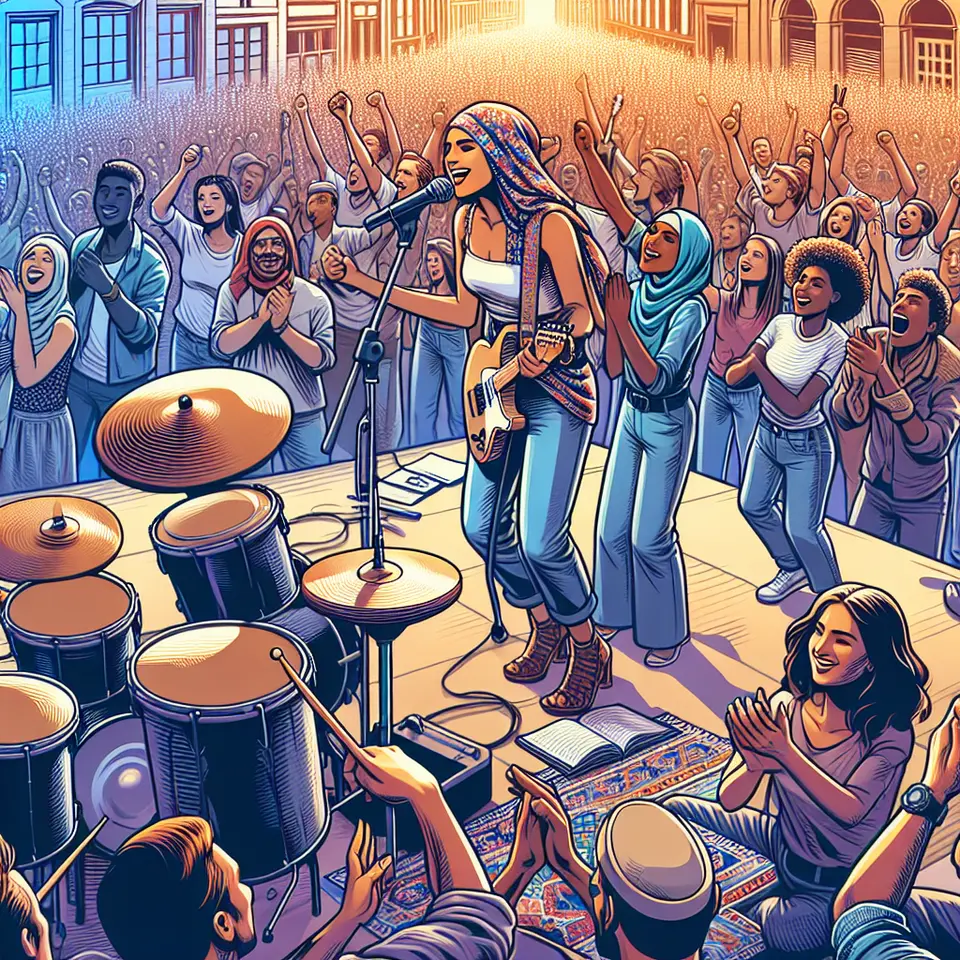
Zohran Mamdani’s inauguration featured an open-invitation block party, a deliberate move away from exclusive, insider politics toward mass participation. The event mirrored his campaign’s ethos: inclusion, direct engagement, and a sense that governance should be visible and participatory.
Mass participation as a corrective to the void
From a viral street-interview series to a city-wide scavenger hunt and a 74,000-strong CV portal, Mamdani’s methods reframe political life as something people can do together. As he said in victory, “the government should be here to help them.” This approach treats politics as a collective practice rather than a distant procedure.
Universalist welfare reforms
His universalist packages — free childcare, free buses for all, and a rent freeze on rent-stabilised housing — are designed to be stigma-free and broadly accessible, signaling a shift from “deserving” aid to universal provision. The aim is to bind people’s daily lives to the city’s collective success.
Campaign to govern: continuity after victory
Delivering on promises is hard; Mamdani argues the campaign must continue. AOC and Bernie Sanders provided support, underscoring a strategy that ties electoral success to ongoing mobilization and problem-solving dialogues, not a stop-start transition.
Broader Western political trends
Viewed against the backdrop of post-2008 disillusionment, Mamdani’s approach contrasts with leaders who promise “less politics.” The Guardian notes a void exists but also a demand for “solidarity” through big government and collective action, challenging the era’s cynicism.
Closing thoughts
New York’s experiment invites a broader question: can politics become more participatory, hopeful, and effective? The answer, for now, is yes — if citizens and leaders keep the conversation alive and continuously expand avenues for involvement.
Leave a Reply