
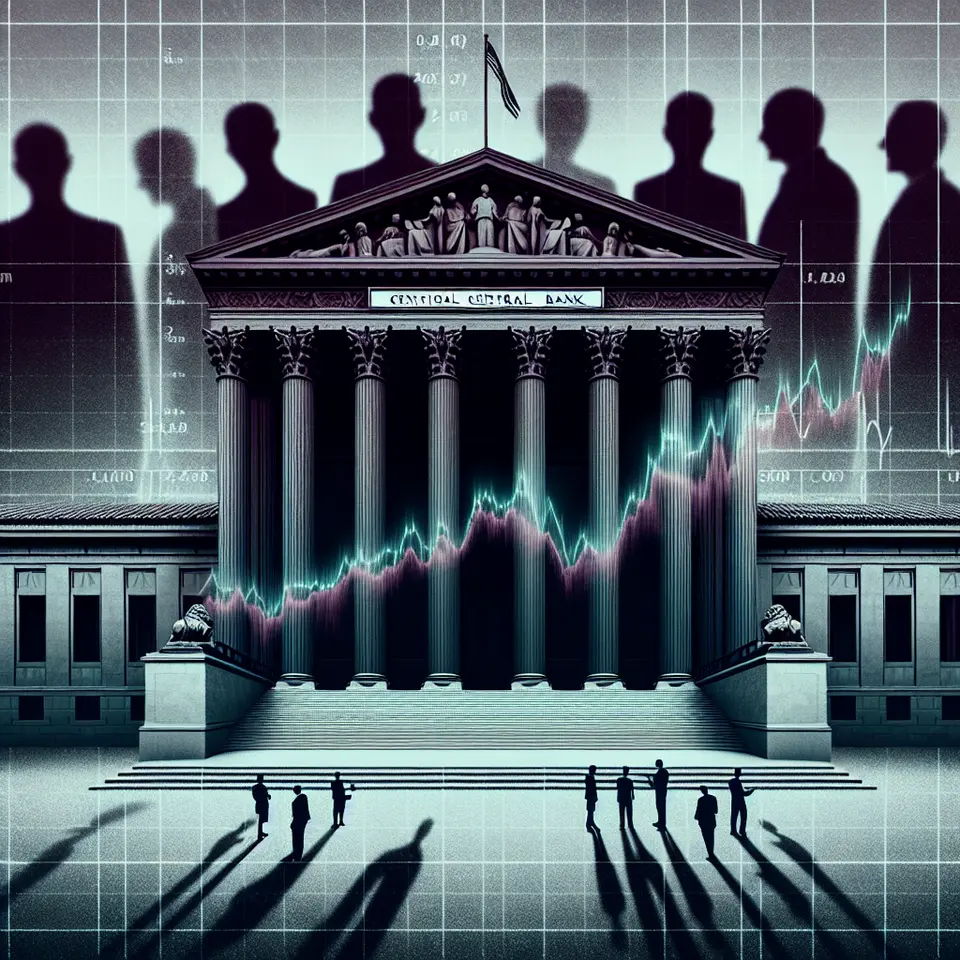
Kevin Hassett, Fed Independence, and the Politics of the Next Chair
Estimated reading time: 7 minutes
- Growing speculation surrounds economist Kevin Hassett as a potential future leader of the Federal Reserve, highlighting how presidential politics and monetary policy are increasingly intertwined.
- The article underscores the fragile balance between Fed independence and White House influence, especially during periods of high inflation and political polarization.
- Historical episodes show that pressure on the Fed from presidents is not new, but modern financial markets react faster and more sharply to any hint of politicization.
- Data on inflation, jobs, and interest rates frame the core dilemma: how far can the Fed go to stabilize prices without appearing partisan in an election-charged environment.
- For investors, workers, and voters, the choice of the next Fed chair will shape borrowing costs, wage growth, and recession risks for years to come.
Table of Contents
- Background: Kevin Hassett and the Fed
- Fed Independence or Political Football?
- Why the Next Fed Chair Matters to You
- Historical Lessons on Presidential Pressure
- Data-Driven Look: Inflation, Rates, and Risks
- How Different Readers Can Prepare
- Further Reading and Related Topics
Background: Kevin Hassett and the Fed
The article centers on Kevin Hassett, a conservative economist best known for his service as a senior economic adviser in a prior administration. He is portrayed as a prominent contender in conversations about future Federal Reserve leadership, especially among officials who favor a more growth-oriented monetary stance.
Hassett’s public record — from tax-cut advocacy to commentary on interest-rate policy — offers clues to how he might approach the Fed chair role. The piece explains that his views tend to emphasize:
- Lower interest rates to support investment and job creation when inflation is contained.
- Regulatory caution to avoid what he sees as overreach into climate or social mandates.
- Closer coordination between fiscal and monetary policy, which raises questions about central bank independence.
Fed Independence or Political Football?
At the heart of the story is a tension: the Federal Reserve was designed as an independent central bank, yet presidents routinely signal preferences on interest rates, appointments, and even specific policy moves.
The article recounts how recent presidents publicly criticized the Fed for tightening policy, warning that higher rates threatened stock markets and growth. Hassett’s proximity to these debates fuels concern that a future chair aligned closely with the White House could make the Fed appear more partisan.
The risk is not just policy error — it’s the perception that decisions are driven by campaign cycles rather than economic data.
Why the Next Fed Chair Matters to You
Even if you never read a central bank statement, the Fed touches your daily life. The article emphasizes that the choice of chair can influence:
- Mortgage rates: A more dovish chair could keep 30-year mortgage rates lower for longer; a hawkish leader might push them higher to tame inflation.
- Credit-card and auto loans: Rate hikes flow quickly into variable-rate debt, raising household costs.
- Job prospects and wage growth: If the Fed tightens too aggressively, hiring slows; if it’s too loose, inflation can erode paychecks.
For readers who invest, the article notes that markets often react to the style and communication of a Fed chair as much as to the actual decisions. A chair perceived as predictable and data-driven can calm volatility; one perceived as politically influenced may inject uncertainty.
Historical Lessons on Presidential Pressure
The piece draws parallels to earlier eras when presidents leaned on the Fed. From postwar credit controls to conflicts in the inflation-plagued 1970s, political pressure has at times contributed to delayed rate hikes and more painful recessions.
By placing Hassett’s potential candidacy in this timeline, the article suggests a continuum: every generation has to renegotiate the boundaries between elected leaders and technocratic institutions. The takeaway is clear: credibility is hard-won and easily lost.
Data-Driven Look: Inflation, Rates, and Risks
To ground the debate, the article highlights key economic indicators that will shape any Fed chair’s agenda:
- Inflation trends: Elevated but cooling inflation shifts the conversation from emergency hikes to calibrated adjustments.
- Labor market strength: Low unemployment gives the Fed room to fight inflation, but signs of slowing job growth raise the risk of overtightening.
- Debt levels: High federal and private debt make the economy more sensitive to each rate move.
For readers, this means the next chair — whether Hassett or someone else — will inherit a narrow policy runway. Missteps could tip the economy into recession or reignite inflation, both of which carry political consequences and personal costs.
How Different Readers Can Prepare
Using the article’s themes, you can adapt your own strategy based on who you are:
- Homebuyers: If markets expect a more dovish chair, consider locking in rates earlier; if a hawk is likely, waiting could pay off if inflation falls.
- Retirees and savers: Track expectations for short-term rates, which drive yields on savings accounts and certificates of deposit.
- Entrepreneurs: Monitor credit conditions; a politically pressured Fed that keeps rates too low for too long may trigger later instability.
To personalize this further, pay attention to Fed minutes, chair speeches, and market-implied expectations. They offer early signals of how any new leader balances growth, inflation, and political noise.
Further Reading and Related Topics
If you want to deepen your understanding of central bank politics and what the article implies for the future, explore topics such as:
- How central bank independence affects long-term inflation outcomes
- A beginner’s guide to reading Fed statements and dot plots
- Historical case studies of political pressure on monetary policy
Engaging with these themes makes it easier to interpret headlines about Kevin Hassett, the Fed, or any future chair — and to connect high-level decisions to your own financial planning.
Source: https://www.nytimes.com/2025/12/29/us/politics/kevin-hassett-fed-chair-independence.html
Leave a Reply