
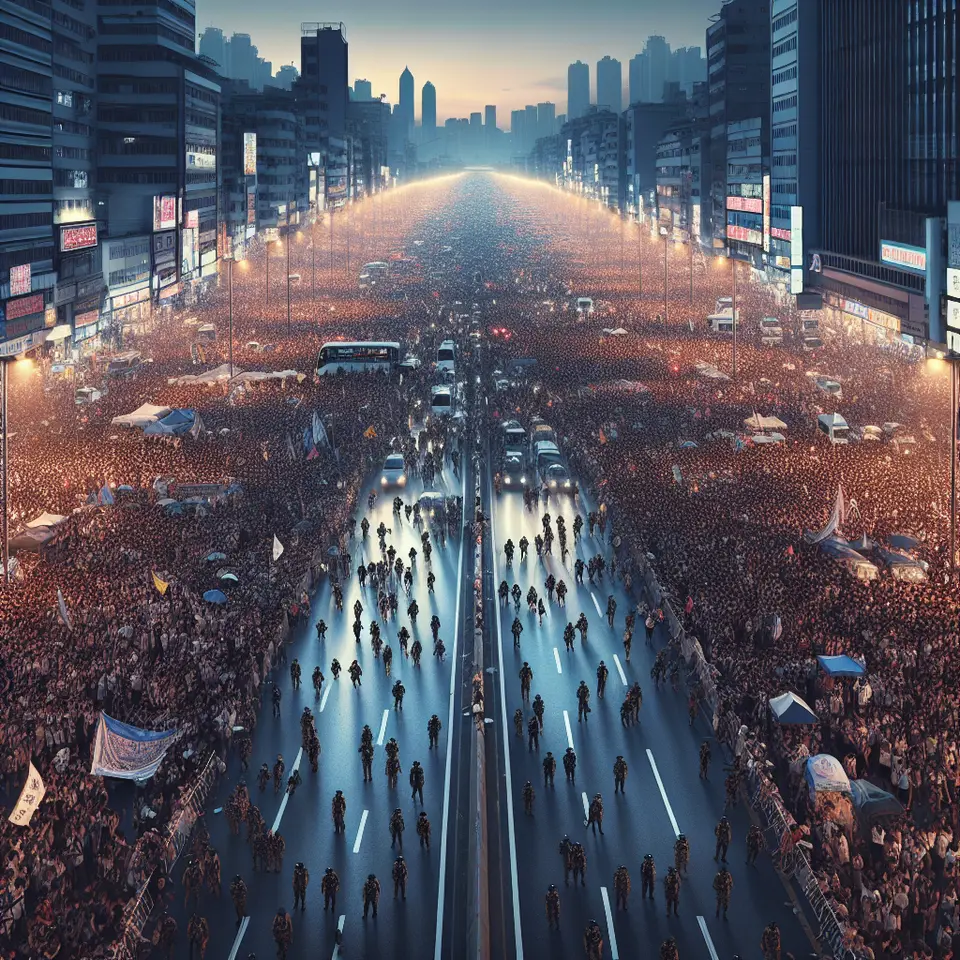
Iran’s Protests: Regime Under Pressure
Estimated reading time: 6 minutes
Key takeaways
- Protests spread widely: from major cities to smaller towns, signaling a deep domestic challenge to the regime.
- Internet blackouts and a harsh crackdown: authorities have tried to obscure the true scale of the unrest while signaling swift punishment for protesters.
- Judiciary on fast trials: the head of Iran’s judiciary speaks of rapid processes and executions as a deterrent.
- US and regional dynamics: Washington evacuated personnel as tensions rose, with political leaders weighing escalatory moves.
Context of Iran’s Protests
Nationwide demonstrations surged as economic strains, political grievances, and demands for accountability collided across hundreds of cities. Official channels acknowledge widespread participation yet struggle to quantify the reach, while independent accounts point to a broad mobilization spanning multiple provinces. The protests reflect not only economic hardship but a credibility gap: a perception that the government has failed to meet citizens’ basic expectations and civil liberties. Although some slogans hint at reforms, the heart of the movement is a call for systemic change and greater political openness.
Scale of Repression
Authorities have answered with a firm hand. Internet blackouts curtailed real-time reporting and hindered organization, while security forces used dispersal tactics to quell gatherings. The judiciary has pledged fast trials and executions for protesters, a move intended to deter further action and signal resolve. The head of Iran’s judiciary publicly described swift processes, illustrating a legal framework aimed at stamping out dissent. While the regime labels protests as foreign-backed, the breadth of participation across social strata underscores a domestic legitimacy crisis that predates any single incident.
US and International Reaction
As Washington weighs options, the United States evacuated personnel from several Middle East bases as a precaution against a possible Iranian strike. Politically, figures debated escalation: former president Donald Trump warned of ‘strong action’ if protests were met with executions, and later claimed that the killings had stopped and executions had been suspended. The episode highlights high-stakes tensions where security commitments, regional power dynamics, and miscalculation could escalate quickly. International observers are watching closely, weighing sanctions, diplomacy, and the potential spillovers into energy markets and regional stability.
Implications for Iran and the Region
The crackdown risks hardening resistance while testing the regime’s ability to maintain control. If the authorities succeed in quelling large demonstrations, it could reinforce a security-centric approach to governance. If not, distrust may intensify and mobilization could persist. Regionally, Tehran will recalibrate its external posture to manage Western pressure while addressing domestic expectations. The situation also carries implications for global energy security, given Iran’s strategic position and the potential for shifts in oil flows depending on political decisions.
What readers can watch next
To stay informed, follow credible outlets tracking protests and regime actions in real time. Bookmark this page for ongoing analysis and subscribe to updates on world affairs. For deeper context, explore related coverage on regional political dynamics and how protests influence policy decisions in capitals around the world.
Source: https://www.economist.com/the-world-this-week/2026/01/15/politics
Leave a Reply