
Surging Left-Wing Party Shakes Up Germany’s Political Map
Estimated reading time: 5 minutes
Key Takeaways
- Die Linke (The Left) is emerging as the most popular party among many young Germans, especially in eastern cities like Leipzig.
- The party’s rise challenges not only the far-right surge but also the traditional centrist establishment that has long dominated German politics.
- Support for Die Linke is rooted in economic frustration, regional inequality between eastern and western Germany, and a desire for stronger social protections.
- Young voters are using Die Linke to express disillusionment with mainstream parties while rejecting far-right nationalism.
- This shift could reshape coalition-building and policy priorities in Germany over the next decade.
Table of Contents
- Germany’s New Political Fault Line
- Why Young Voters Are Turning Left
- East Germany’s Unequal Reality
- A Double Challenge to the Establishment
- What This Means for Germany’s Future
- How to Explore This Topic Further
Germany’s New Political Fault Line
German politics is undergoing a profound shift. While global headlines focus on the surge of the nationalist far right, a quieter but powerful countercurrent is emerging on the left.
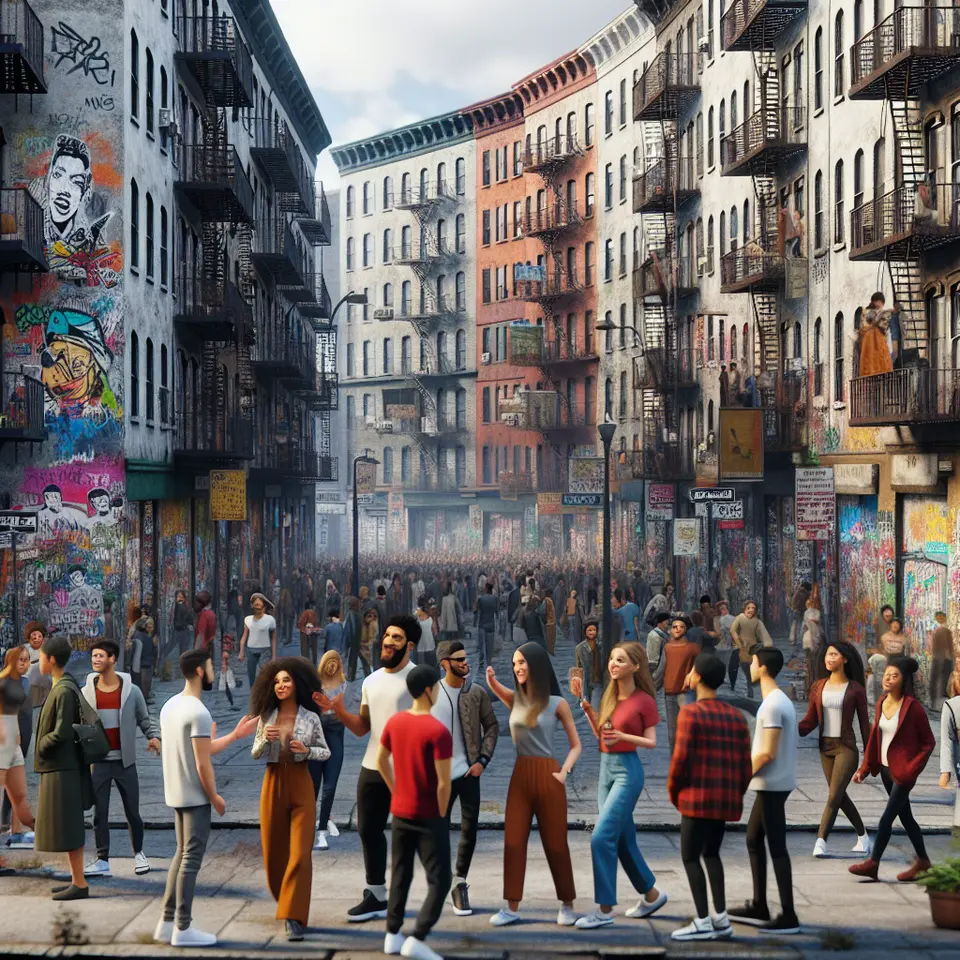
In Leipzig’s Connewitz neighborhood — a gritty, historically alternative district in one of eastern Germany’s biggest cities — it is increasingly rare to find young residents who vote for anyone other than Die Linke, the party whose name literally translates to “The Left.”
This trend is unfolding across much of the former Communist East Germany, where political disillusionment and economic frustration are high. The result: a new political fault line where both extremes, right and left, are gaining at the expense of the centrist parties that governed Germany for decades.
Why Young Voters Are Turning Left
Among Germans under 60 — and particularly those in their 20s and 30s — Die Linke is becoming a key vehicle for protest and aspiration.
Several factors help explain this trend:
- Economic pressure: Young people face rising rents, insecure jobs, and concerns about long-term stability. Die Linke’s focus on social housing, wage protections, and public services directly speaks to those anxieties.
- Disillusionment with centrism: Many feel that centrist parties promise stability but deliver stagnation, especially on climate, inequality, and digital transformation.
- Rejection of far-right nationalism: For a large part of the younger generation, the far right’s anti-immigrant, nationalist message is a red line. Die Linke offers a way to channel frustration without embracing extremism on identity issues.
As a reader, you can see this as part of a broader European pattern: young voters increasingly gravitate to parties that offer clear, redistributive economic agendas and sharp critiques of the status quo, whether from the left or the right.
East Germany’s Unequal Reality
The article highlights how the rise of Die Linke cannot be separated from the persistent divide between eastern and western Germany more than three decades after reunification.
In many eastern regions, wages remain lower, assets are scarcer, and public investment lags behind the west. Cities like Leipzig embody both opportunity and tension: dynamic cultural scenes exist alongside precarious work and rising living costs.
Die Linke taps into this by:
- Emphasizing regional justice and investment in the east.
- Criticizing privatization and austerity policies that, many feel, hollowed out local industries and services.
- Positioning itself as a defender of those left behind in the post-reunification economic order.
For residents of eastern cities, the party’s message often feels less ideological and more practical: protect jobs, keep housing affordable, and ensure that social services are not eroded.
A Double Challenge to the Establishment
The rise of Die Linke represents a double challenge for Germany’s political establishment:
- Competing with the far right: Mainstream parties must counter the nationalist surge while also acknowledging that many voters are moving away from the center entirely.
- Addressing left-wing demands: Calls for stronger welfare protections, rent controls, and anti-poverty measures are gaining salience, especially among the young and in the east.
Even where Die Linke does not win outright majorities, its presence changes coalition math and policy debates. Centrist parties are forced to decide whether to co-opt parts of its agenda or risk losing more voters.
The key trend: German politics is less about left vs. right in a narrow sense and more about establishment vs. anti-establishment, with Die Linke and the far right both capitalizing on discontent.
What This Means for Germany’s Future
Looking ahead, several implications stand out:
- Coalitions will be harder to form. As both far right and left gain voters, traditional center-left and center-right alliances may no longer be sufficient for stable majorities.
- Social policy will move to the forefront. Issues like housing, regional inequality, and welfare reform are likely to dominate future campaigns.
- Younger voters will shape long-term trends. If today’s young Die Linke supporters maintain their preferences, Germany’s political spectrum could be structurally more polarized for years.
For readers interested in democracy and governance, the story of Die Linke is a case study in how economic and regional grievances can fuel new political coalitions — not just on the far right, but also on the redistributive left.
How to Explore This Topic Further
To deepen your understanding and personalize your exploration of German politics, you might:
- Compare Die Linke’s platform with that of other European left-wing parties to see common patterns in housing, welfare, and climate policy.
- Track polling data over time to observe how support shifts among age groups and regions, especially in eastern states.
- Read analyses on how generational attitudes toward nationalism, migration, and economic security diverge in Germany and across Europe.
If you maintain a political or current-affairs blog, consider linking this trend to broader questions of youth political engagement, digital activism, and trust in institutions.
Source: https://www.washingtonpost.com/world/2026/01/02/germany-left-party-politics-extremism/
Leave a Reply