
Christmas Politics, Community Service and a Nation on Edge: What Australia’s Year-End Headlines Reveal
Estimated reading time: 5 minutes
Key takeaways
- The prime minister and cross-party politicians spent Christmas serving meals in Sydney, signalling a push for unity and hope amid a difficult year.
- Australian politics is grappling with the aftermath of the Bondi beach terror attack, including temporary protest restrictions and a special honours list.
- Leadership pressure on Anthony Albanese is intensifying, with debates over intelligence processes, a royal commission, and new hate group laws.
- Immigration, asylum, and civil liberties remain flashpoints, highlighted by long-term detention cases and visa cancellations over extremist symbols.
- Readers can use these developments to better understand how security, community, and rights will shape Australia’s political landscape in 2026.
Table of contents
- Christmas lunch with a side of hope
- Security, protests and the Bondi beach terror response
- Leadership pressure and political fault lines
- Immigration, asylum and civil liberties
- Energy policy and the domestic gas debate
- How readers can stay informed and engaged
Christmas lunch with a side of hope
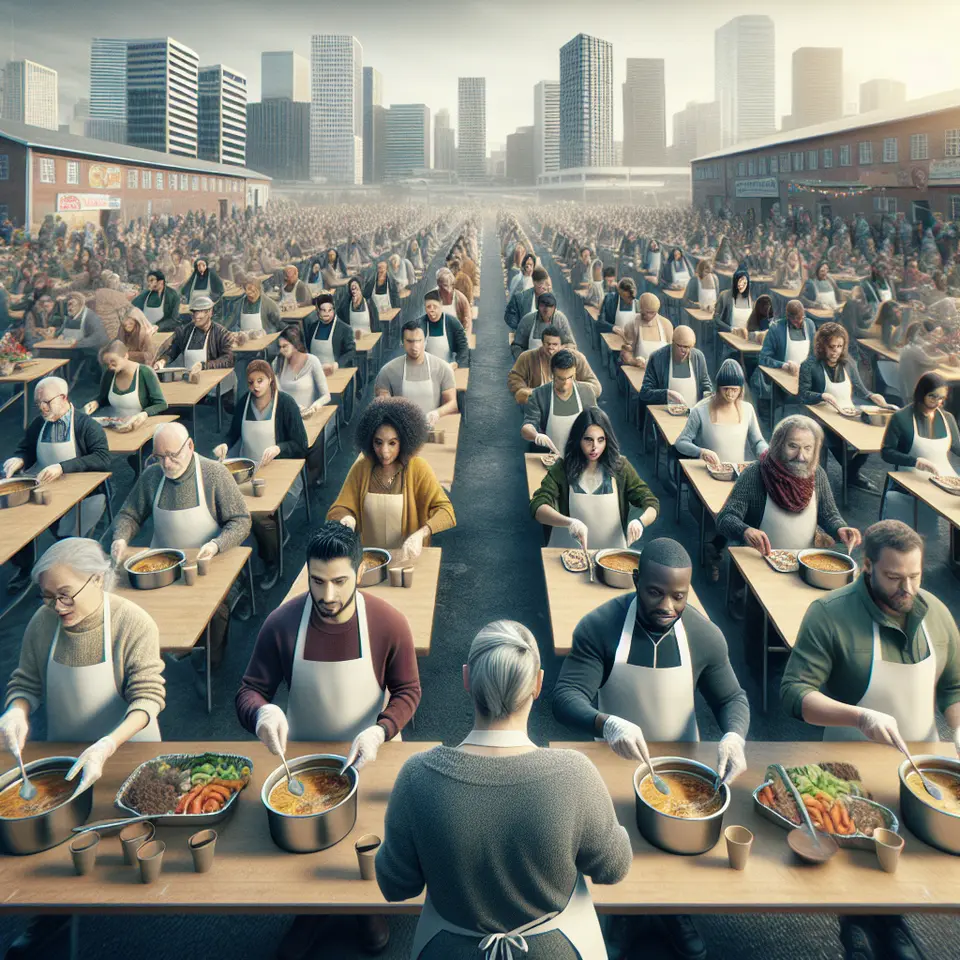
In Sydney, the Rev Bill Crews Foundation became a symbolic backdrop for Australian politics at Christmas. With Anthony Albanese and politicians from across the aisle donning gloves, aprons and tongs, the focus shifted from parliamentary shouting matches to serving hot meals to people doing it tough.
This kind of public service optics matters: it underlines themes of community, compassion and bipartisanship at a time when the national mood has been shaken by terror, economic anxiety and political conflict. For readers, it is a reminder that politics is not only about legislation but about how leaders show up in moments of vulnerability and celebration.
If you follow politics casually, this story is a good entry point: it connects everyday experiences like Christmas lunch and volunteering with broader debates on social support and inclusion.
Security, protests and the Bondi beach terror response
Running through the recent coverage is the Bondi beach terror attack, which now shapes much of the security and political agenda:
- NSW police have imposed a 14-day restriction on public assemblies in Sydney using powers passed after the attack.
- The federal government has announced a special honours list to recognise acts of bravery during the incident.
- New laws to list hate groups are being framed to capture Islamist and far-right extremists who operate just inside the edges of legality.
These measures raise difficult questions about the balance between public safety and civil liberties. Readers interested in rights and democracy should pay close attention to how temporary restrictions, protest rules and extremist designations are used and reviewed over time.
Leadership pressure and political fault lines
The coverage also tracks a shift in momentum for the government. Until recently, Anthony Albanese appeared to be cruising into the summer break. Now, commentators describe his leadership as facing its most serious test.
Key pressure points include:
- A review of federal intelligence and policing processes in the lead-up to the Bondi attack.
- Refusal to call a royal commission into the shooting, with Albanese noting there was no royal commission after Port Arthur.
- Highly charged Coalition attacks, including criticism of the foreign minister for not publicly “shedding a single tear” and claims that a “multicultural nirvana” has failed.
- Debates over the politicisation of the Bondi tragedy and whether responses are about safety or point‑scoring.
For politically engaged readers, these stories outline how narrative battles over leadership, competence and cultural identity are likely to dominate headlines well into the new year.
Immigration, asylum and civil liberties
Immigration and asylum remain at the heart of Australia’s political identity. One powerful story details how Alex fled civil war only to endure a 16-year ordeal in Australia’s detention system, ending in tragedy. This narrative humanises abstract policy debates and invites readers to think about the moral cost of long-term detention.
Other developments include:
- A British man’s Australian visa cancelled after being charged with displaying Nazi symbols.
- An investigation clearing pro‑Palestine academic Randa Abdel‑Fattah of wrongdoing over a research grant.
Together, these stories highlight how free expression, extremism, antisemitism, Islamophobia and migration policy intersect in complex ways. If these issues affect your community, consider following legal commentary and rights-focused organisations for deeper analysis.
Energy policy and the domestic gas debate
Beyond security and identity, the government has announced a “historic” gas reservation policy requiring major producers to set aside up to a quarter of gas for Australian use. For households and businesses worried about bills, this is a crucial development.
While detailed price impacts will depend on implementation and market behaviour, the move signals a willingness to intervene in energy markets to protect domestic consumers. Expect lively debate between industry groups, climate advocates and cost‑of‑living campaigners over whether this supports or undermines the transition to cleaner energy.
How readers can stay informed and engaged
To make sense of this flurry of stories, it helps to organise your engagement:
- Set news priorities: Decide whether you care most about security, social justice, climate, or economic policy, and track those themes over time.
- Compare perspectives: Read across outlets and, where possible, look up original speeches or transcripts referenced in political coverage.
- Take local action: If the Christmas volunteering theme resonated, consider helping at a local shelter or community kitchen to connect politics with lived experience.
- Use curated newsletters: Subscribing to a daily politics or Australia‑news email can help you keep a manageable overview instead of chasing every headline.
The snapshot of headlines around Christmas 2025 shows a country wrestling with fear and resilience, division and solidarity. Following these stories with a critical but open mind will help you understand not only what politicians are saying, but what kind of society Australia is choosing to become.
Source: https://www.theguardian.com/australia-news/australian-politics
Leave a Reply