Iran’s 2026 Protests: Diaspora Politics and the Aftermath
Estimated reading time: 5 min
Key takeaways
- Digital crackdown and an internet blackout from Jan 8 intensified a large-scale uprising that began Dec 28.
- HRANA tallies: 3,919 dead as of Jan 18, including 25 children; 178 police and security forces among the dead.
- The Iranian diaspora frames the protests with competing narratives—authentic domestic demands vs. foreign-backed agendas.
- Western policy rhetoric has not always produced concrete support, with visa restrictions complicating mobility for Iranians abroad.
Table of Contents
Overview of the uprising
The December protests expanded into a national reckoning with corruption, illiberal governance, and coercion. Tehran’s 2024 parliamentary runoff turnout was around 8%, signaling fatigue after the Woman, Life, Freedom movement and a tightening security state. The conflict intertwines civilian casualties, global scrutiny, and a youthful, economically strained population.
Government response and internet shutdown
On Jan 8, authorities cut the internet, a tactic to confine dissent. In Guilan, a teacher described daily disruption, with focus shifting to preserving work abroad if connectivity remained lost. The shutdown hindered weather checks, research, and teaching continuity.
Diaspora dynamics and external narratives
Exiled voices oscillate between authentic reform and aligning with geopolitical agendas. Critics warn that foreign entanglement can erode domestic legitimacy, while exile can distort perspective and fuel factionalism.
International reactions and policy shifts
Public support from Western leaders has not always matched action. Visa bans and deportation deals limit mobility for Iranians abroad, even as policymakers voice solidarity.
Art, memory, and diaspora voices
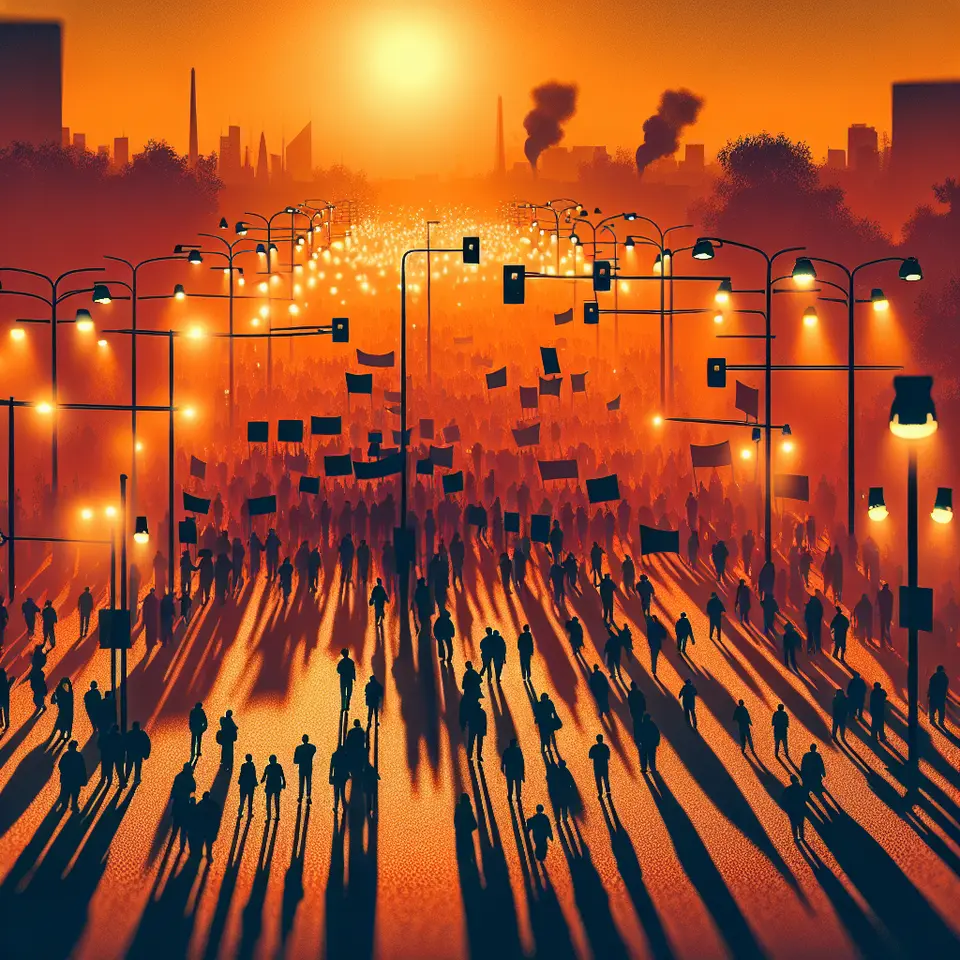
Protest art persists as a record of resilience. Visual works from artists overseas sustain memory and ethical engagement long after the streets quieted.
What this means for Iran’s future
As HRANA’s numbers endure and families mourn, the question is whether a unified domestic vision can outpace diaspora factionalism. The struggle tests the legitimacy of the theocracy and reshapes homeland solidarity in a connected world.
Source: https://newlinesmag.com/spotlight/irans-protest-movement-and-diaspora-politics/
Leave a Reply