
More than 20 England council elections likely to be delayed until 2027
Estimated reading time: 4 minutes
Key takeaways
- About a third of eligible England councils have asked to postpone May elections due to a big local government reform.
- Up to 63 council areas could opt to delay elections until 2027 after some already pushed to 2026.
- The reorganisation moves from two-tier to unitary authorities and introduces six more elected mayors.
- Four mayoral elections have already been postponed; several are now slated for 2028.
- Debate has intensified over democracy and governance amid capacity concerns and the use of postponements.
Table of contents
Overview
England’s local government reorganisation, which merges two-tier district and county councils into single unitary authorities, is prompting a wave of postponed ballots. At least 23 councils asked to delay elections ahead of a deadline, 33 plan to proceed, and seven have yet to confirm. In total, around 63 council areas could push elections to 2027 as the transformation continues. Some elections had already been delayed to May 2026.
The reforms aim to streamline service delivery—especially in social care—and introduce six additional elected mayors in regions including Cheshire and Warrington, Cumbria, Greater Essex, Hampshire and the Solent, Norfolk and Suffolk, and Sussex and Brighton. Ministers describe this as a “once-in-a-generation reorganisation” that will transform democratic accountability and how councils operate.
Scale of delays
Government and media reporting show a substantial postponement trend: up to 63 council areas could opt to move elections to 2027, following some already delayed to May 2026. The latest tally indicates 23 councils sought delays by the deadline, 33 decided to proceed with regular schedules, and seven had not yet declared their stance. Four mayoral contests were postponed in December and will be first contested in 2028.
Who is seeking the delay
Evidence from BBC research shows the bulk of delaying authorities are Labour-led, with a mix of Conservative-led, Liberal Democrat, and multi-party independents among the rest. The pattern appears to reflect capacity and delivery concerns across councils rather than single-party politics.
Why delays are happening
Councils have cited capacity constraints in delivering the reorganisation within the original timetable. Alison McGovern, minister for local government reorganisation, noted that some councils told ministers they lacked capacity and that the government would authorise delays where there were genuine concerns about delivery. The government argues the changes will deliver long-term efficiency and better frontline services, even as critics warn that delaying elections can undermine democratic participation.
Timeline and next steps
With several mayoralties moved to 2028, the broader rollout of the unitary model continues. Ministers indicated that pending delays would be approved in the coming days, potentially extending incumbent councillors’ terms by a year or more and reducing the number of seats up for election in the near term.
Public and political reaction
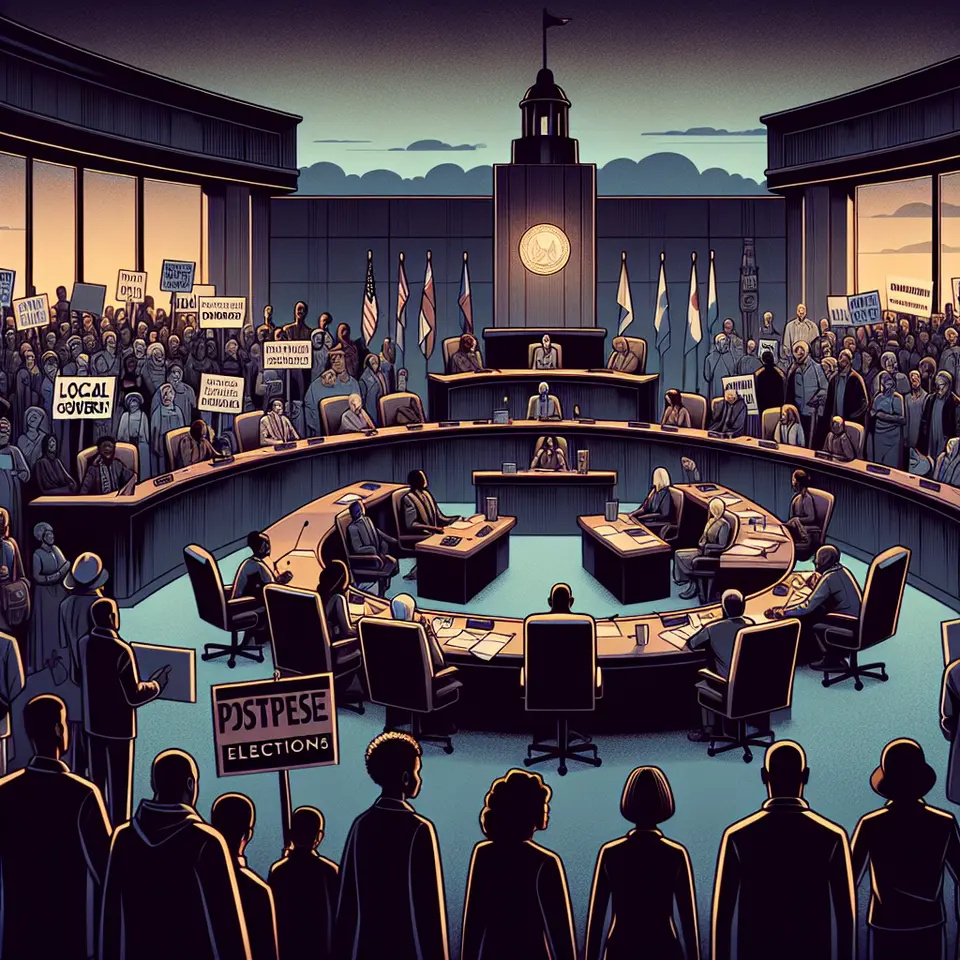
The shift has sparked unrest at local meetings, including Redditch borough council where tensions flared over the postponement vote. Critics have called the delay a threat to democracy, while supporters argue it avoids costly, rushed reforms and protects frontline services.
What this means
As councils reorganise, the balance between efficiency and democratic participation is under scrutiny. The government frames the policy as beneficial for service delivery, while opponents fear voter disengagement and legitimacy concerns if elections are repeatedly postponed. The ultimate impact will hinge on delivery capacity, resource allocation, and public trust in local governance.
Learn more about unitary authorities
Unitary authorities consolidate services under a single council. BBC explainer and local government resources offer deeper dives into how these changes work in practice.
Related insights
BBC research highlights how widespread the postponements are and which regions are affected. For broader context on local elections, explore related topics in local government reform and democratic accountability.
Explore more
Source: https://www.theguardian.com/politics/2026/jan/15/more-than-20-england-council-elections-likely-to-be-delayed-until-2027
Leave a Reply