
Why the US Is Chasing the Bella 1 Tanker Near Venezuela
Estimated reading time: 5 minutes
Key Takeaways
- The United States is pursuing the oil tanker Bella 1 in international waters near Venezuela after it refused to submit to a Coast Guard interdiction.
- Officials are weighing whether to deploy a specialized Maritime Special Response Team to forcibly board and seize the vessel.
- The pursuit is part of a broader US strategy to enforce a “blockade” on sanctioned Venezuelan oil and pressure Venezuela’s leadership economically.
- Two other tankers, the Skipper and the Centuries, have already been intercepted and piloted to Texas for potential seizure of their oil cargoes.
- The Bella 1 is linked to sanctioned Iranian oil and proxy groups and is described by the US as a “dark fleet vessel” sailing under a false flag.
Table of Contents
- Background: Why the Bella 1 Matters
- The High-Seas Pursuit and Possible Forcible Boarding
- How This Fits Into US Strategy on Venezuela
- What Happened to the Other Intercepted Tankers
- What This Means for Energy, Security, and Readers
Background: Why the Bella 1 Matters
The Bella 1 is at the center of a tense standoff on the high seas. According to US officials, it is a “dark fleet vessel” – a ship allegedly operating under a false flag, covered by US sanctions, and linked to sanctioned Iranian oil and Iranian proxy groups. The vessel is under a US judicial order authorizing its seizure, making it a high-priority target in Washington’s campaign to restrict sanctioned oil flows.
This pursuit is not happening in isolation. It stems from an order by President Donald Trump for a “blockade” on sanctioned Venezuelan oil tankers. The broader goal: cut off the key revenue stream of Venezuelan President Nicolas Maduro by targeting the country’s oil exports.
The High-Seas Pursuit and Possible Forcible Boarding
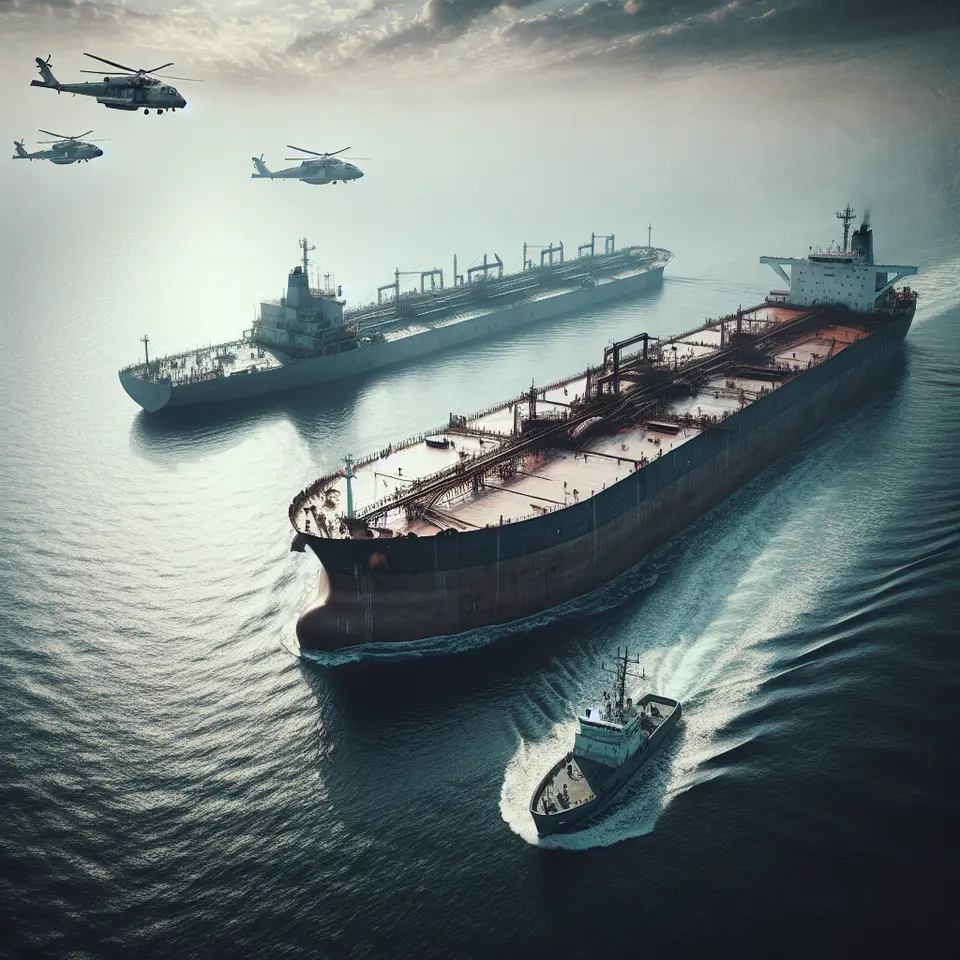
The Bella 1 refused to stop when the US Coast Guard attempted to interdict it last weekend. Instead, it made a U-turn and sailed into the Atlantic Ocean, entering a prolonged chase in international waters near Venezuela. The ship is currently empty, which slightly lowers the urgency of an immediate boarding but not the strategic importance of the case.
US officials are now considering sending a Maritime Special Response Team, a specialized unit trained to board non-compliant vessels. This would mean a forcible boarding operation at sea to seize control of the tanker. While the administration may still decide to abandon the effort if conditions change, for now the mission remains active.
Interestingly, officials say they do not know why the crew refused to stop, especially since other targeted tankers in the region have complied with Coast Guard commands in similar situations.
How This Fits Into US Strategy on Venezuela
The tanker pursuit is directly tied to Washington’s attempt to apply maximum economic pressure on Venezuela’s leadership. Oil is described as President Nicolas Maduro’s “main economic lifeline”, and restricting it is seen as a leverage point that could eventually weaken his hold on power.
To support this approach, the US has ordered a massive military buildup in the Caribbean Sea near Venezuela. The USS Gerald Ford, a major US aircraft carrier, is among the assets deployed. During a Christmas Eve call with troops aboard the carrier, President Trump described the region as an “interesting place” and said the US would be “going after the land”, hinting at potential future operations.
However, despite openly signaling that land strikes against Venezuela could come, the administration has so far stopped short of authorizing such attacks. For now, the priority remains enforcement of oil sanctions and maritime interdictions.
What Happened to the Other Intercepted Tankers
The Bella 1 is not the only tanker on Washington’s radar. Two other vessels, the Skipper and the Centuries, were successfully intercepted by the US Coast Guard. Unlike the Bella 1, these ships reportedly complied with US efforts to interdict them.
Both tankers were piloted to Texas, where the US is planning to seize their oil cargoes. From a sanctions-enforcement standpoint, these operations demonstrate that the threat of interception is already changing behavior: some tankers are now choosing to avoid the region entirely to minimize legal and operational risks.
What This Means for Energy, Security, and Readers
For readers tracking global energy and geopolitics, the Bella 1 episode is a live example of how sanctions enforcement, naval power, and oil markets intersect:
- Energy flows: Crackdowns on sanctioned Venezuelan and Iranian-linked oil can push some crude into more opaque channels, but they can also tighten legitimate supply routes and raise compliance costs for shippers.
- Security dynamics: The use of specialized maritime teams and carrier deployments highlights how economic disputes can quickly take on a military dimension.
- Legal risk for industry: Shipowners, insurers, and traders must navigate complex sanctions rules, as a single misstep can result in vessel seizure or cargo loss.
If you follow international affairs, consider pairing this story with:
- News on sanctions policy and enforcement trends in other regions.
- Analysis of how “dark fleet” shipping practices are reshaping global oil trade routes.
- Updates on US–Venezuela and US–Iran relations to understand how diplomatic shifts may alter these maritime standoffs.
In short, the chase for the Bella 1 is about far more than a single rusted tanker. It reflects a wider contest over who controls the flow of sanctioned oil, how far governments will go at sea to enforce their laws, and what that means for the balance of power in a key energy-producing region.
Source: https://www.cnn.com/2025/12/26/politics/venezuelan-tanker-pursuit-forcible-boarding
Leave a Reply