
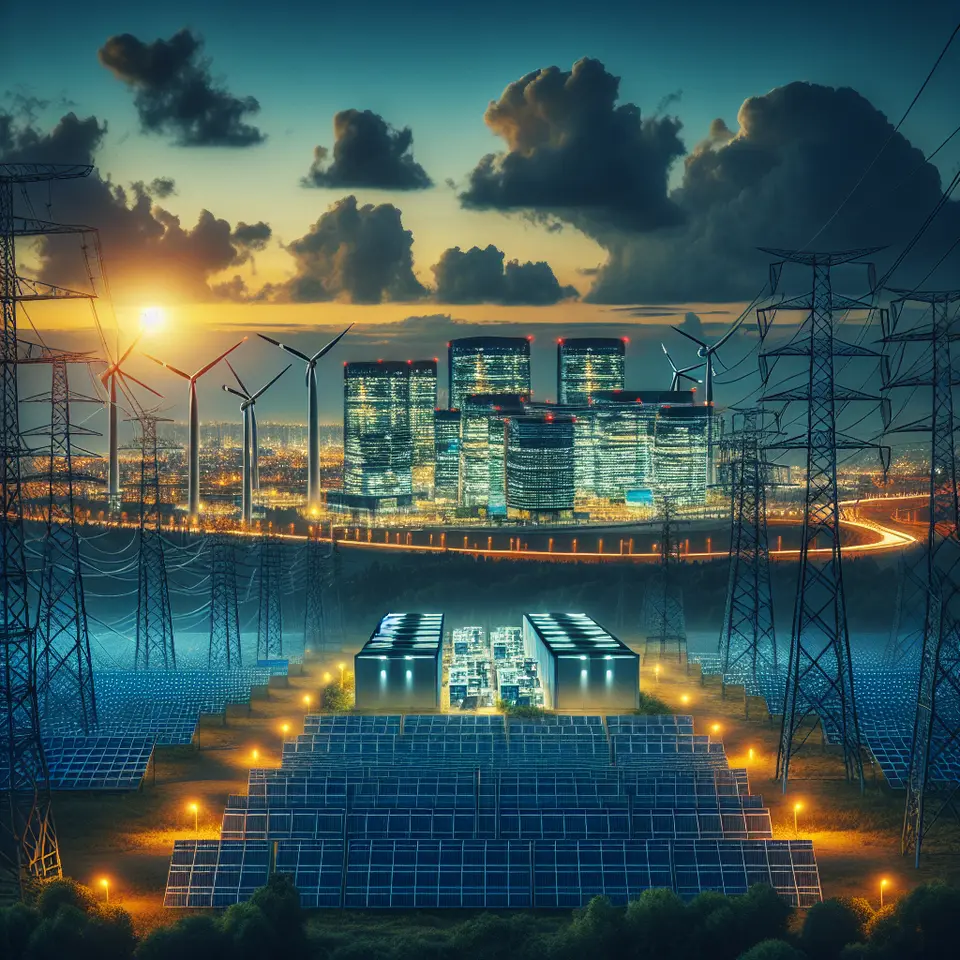
Clean Energy’s Surge, Political Headwinds, And What It Means For Your Power Bill
Estimated reading time: 5 minutes
Key Takeaways
- Renewable energy in the U.S. is still booming despite aggressive political efforts to slow it down.
- Soaring electricity demand from data centers is reshaping how utilities choose between renewables, natural gas, nuclear, and other sources.
- Experts expect residential retail power prices to rise 15%–40% by 2030, driven by demand growth and grid constraints.
- Natural gas remains the leading option for round-the-clock “firm” power today, but long-term demand could open doors for nuclear and geothermal.
- Underinvestment in grid infrastructure is a hidden driver of higher prices and missed clean energy opportunities.
Table of Contents
- Why Electricity Demand Is Surging
- Renewables Under Political Pressure
- What This Means For Your Power Bill
- Climate Risks And Long-Term Opportunities
- How Consumers And Businesses Can Respond
- Keep Learning About The Energy Transition
Why Electricity Demand Is Surging
Across the United States, power-hungry data centers are driving a wave of electricity demand unlike anything seen in decades. These facilities host everything from streaming services to AI tools, and they run 24/7.
That constant demand is why fast-to-build renewables like wind and solar are so important. Policy adviser Pavan Venkatakrishnan from the Foundation for American Innovation notes that even decision-makers who are skeptical of renewables “are going to need them to meet the data center demand” while keeping energy affordable for everyone.
Personal tip: If you work in tech, cloud services, or AI, your industry is now a major player in shaping the future of the grid. Engaging in corporate sustainability and procurement decisions can directly influence which projects get built.
Renewables Under Political Pressure
Over the past year, the Trump administration and Congressional Republicans have ramped up efforts to sideline renewable energy projects. A White House spokesperson told NPR that renewables increase power prices and that the administration is instead trying to boost natural gas, coal, and nuclear power.
However, research from Lawrence Berkeley National Laboratory finds that wind and solar projects on their own generally do not raise electricity prices. That challenges the narrative that clean energy is inherently costly.
Rather than arguing over a single “best” energy source, Helen Kou, who leads the power markets research team at BloombergNEF, suggests a more practical focus: get projects built, whether they are renewable, gas, or other technologies, to avoid supply bottlenecks that can drive up costs.
What This Means For Your Power Bill
For now, renewables are still booming, but there are signs of an oncoming slowdown as utilities pivot to building more natural gas plants. Gas remains the most viable option for firm capacity—power that is available on demand, day and night—making it attractive for data centers that run around the clock.
The consulting firm ICF estimates that residential retail power prices could climb between 15% and 40% by 2030. That is a wide range, but even the low end represents a noticeable increase for households.
Alex Trembath of the Breakthrough Institute points to an often overlooked culprit: underinvestment in the grid itself. Congested transmission lines and outdated infrastructure “constrain the ability to get electrons around, to get electrons from where they’re being generated to where they’re needed,” which can force reliance on more expensive local generation.
Personalized idea:
- Homeowners: Consider energy efficiency upgrades (LEDs, heat pumps, smart thermostats) now, before prices rise further.
- Renters: Look for green power options from your utility, and focus on plug-level efficiency—smart power strips, efficient appliances, and better insulation where possible.
- Small businesses: Ask your utility or local chamber of commerce about rebates for efficiency, rooftop solar, or demand response programs.
Climate Risks And Long-Term Opportunities
Natural gas is cleaner than coal but still produces significant climate pollution. If booming demand is met mostly with new gas plants, emissions will rise and could deepen global warming.
The United Nations has already warned that the world is on track for more extreme climate impacts. In that context, today’s build-out decisions are not just about cost—they’re about climate risk.
At the same time, Trembath notes that rising demand could help make newer low-carbon technologies like advanced nuclear and geothermal more viable over the long term. These sources can provide steady, around-the-clock power without the same emissions as fossil fuels, but their large-scale deployment is more of a 50-year story than a five-year quick fix.
How Consumers And Businesses Can Respond
If you want to stay ahead of potential price hikes and support a cleaner grid, here are actionable steps:
- Audit your energy use: Many utilities offer free or low-cost home energy assessments that identify easy savings.
- Explore time-of-use rates: If your utility offers them, shifting usage to off-peak hours can cut costs and reduce grid stress.
- Support grid-friendly tech: Options like home batteries, smart EV charging, and controllable thermostats help smooth demand.
- Engage locally: City councils, public utility commissions, and co-op boards all influence which projects get built in your area.
Keep Learning About The Energy Transition
The clean energy landscape is shifting quickly under the combined pressure of politics, technology, and soaring demand. To go deeper, look for:
- Utility integrated resource plans in your state to see whether they favor renewables, gas, or other technologies.
- Nonpartisan research from institutions like Lawrence Berkeley National Laboratory and BloombergNEF.
- Local news and public meeting notes on new data centers, transmission lines, and power plants being proposed near you.
Understanding how these forces interact will help you make smarter personal, business, and civic choices in an era of rising demand and intensifying climate risks.
Source: https://www.npr.org/2025/12/26/nx-s1-5638909/clean-energy-is-surging-despite-political-attacks-but-a-slowdown-may-be-looming
Leave a Reply